Balboa Reservoir: San Francisco's Missing Water Source, Now City College's West Campus
Before and after the construction of Ocean Campus in 1940, the Balboa Reservoir has had a turbulent history.
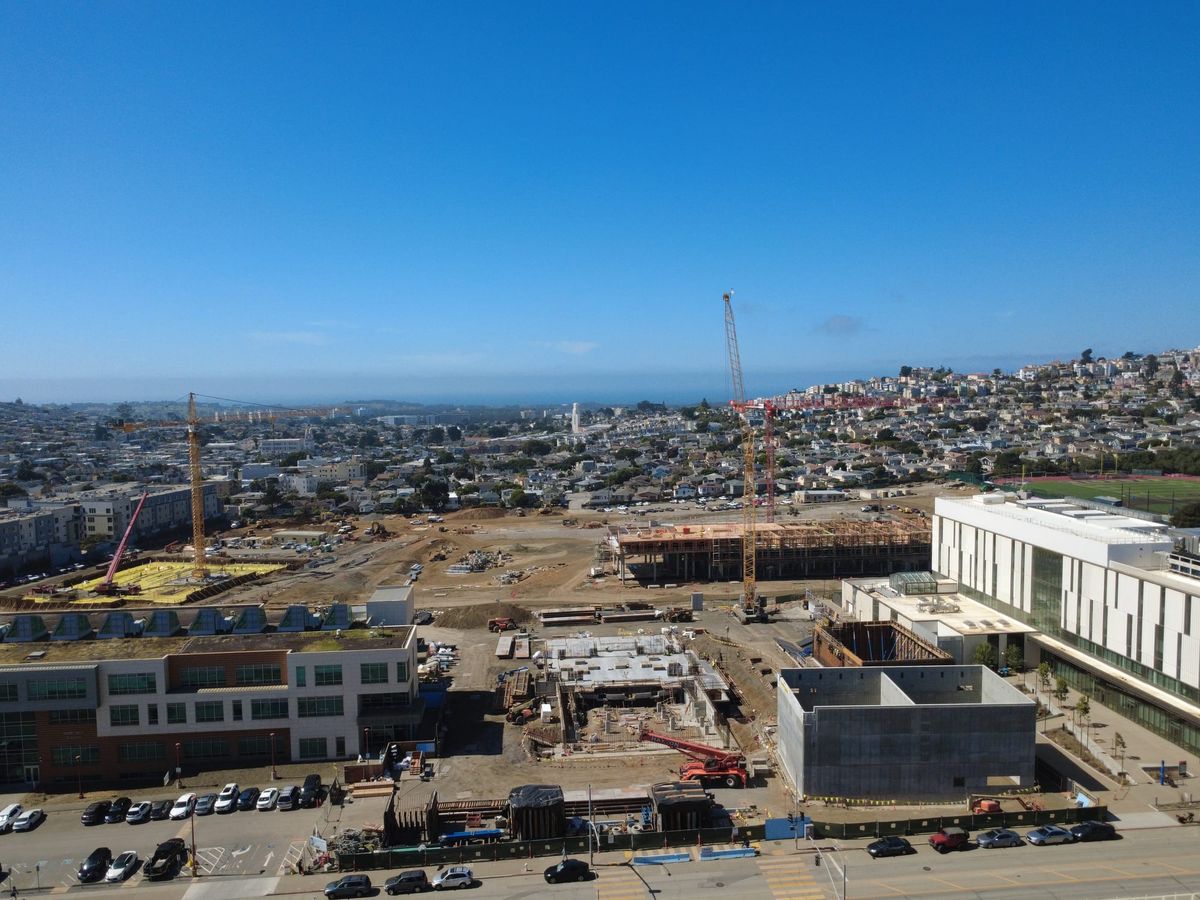
After over 130 years of changing hands, the Balboa Reservoir has finally been filled, and not by water, as the potential of City College’s “West Campus” is finally being realized.
Seventy years after the destruction of the first West Campus, a new one may just be sprouting up, although it's being put together piece by piece.
The reservoir, as it presently stands, will be out of space within the next five years. City College has its West Campus, at least sort of, and the housing that went through four different ballot measures without success is being built, for better or worse.
In 2010, what was once christened as the Joint-Use Building, officially the Multi-Use Building, and finally the Harry Britt Building, was completed. It took another 15 years until the STEAM building would open its doors. Although the Diego Rivera Performing Arts Center is set to open in 2028, the project was approved in 2004, having had to survive the recession and COVID-19 pandemic just to get built. A five-story parking garage will break ground beside the newly minted extension of Lee Avenue, overlooking the STEAM building.
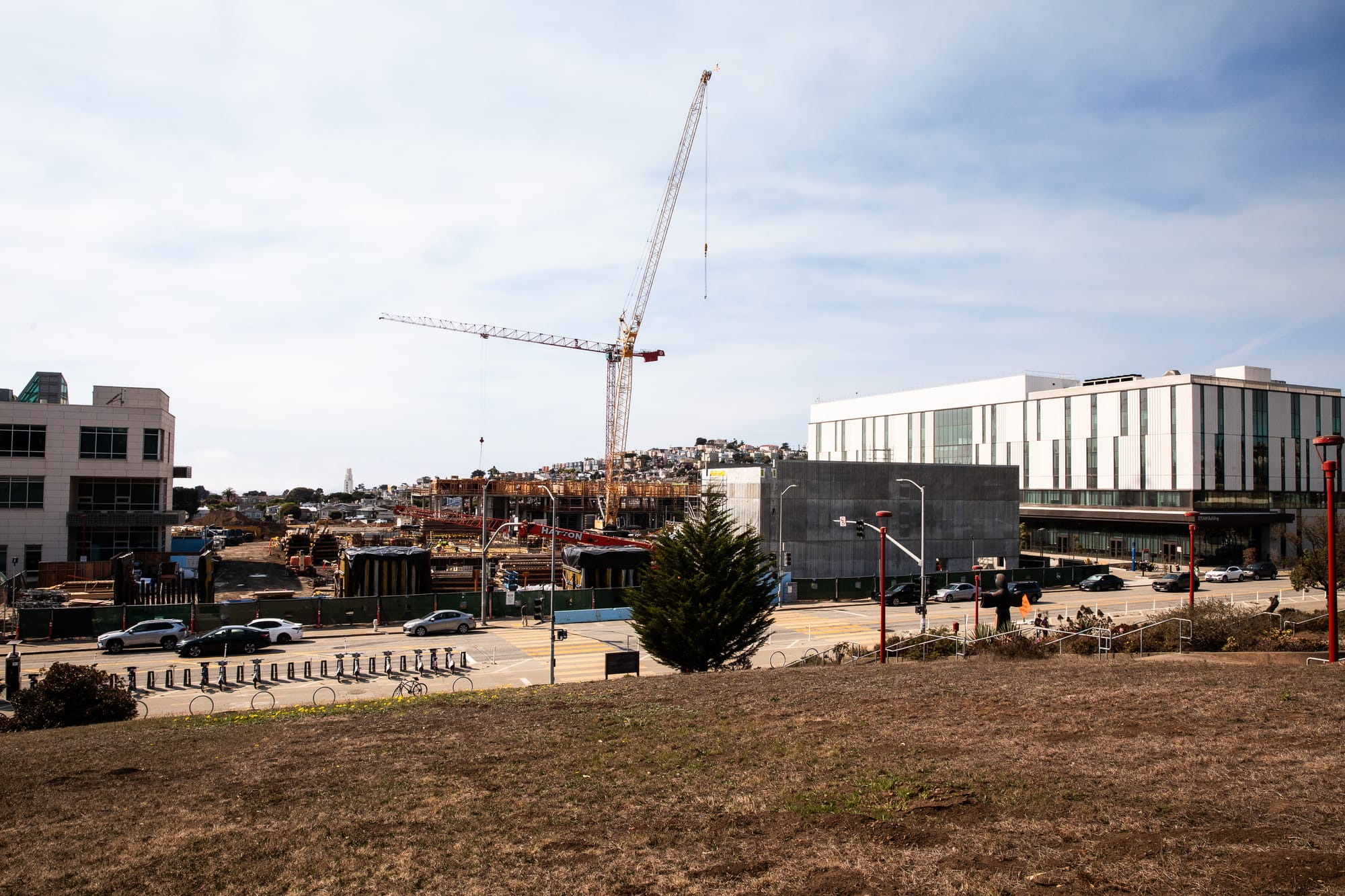
Many at the college have envisioned the reservoir as the path to City College’s expansion for some time.
Music Department Chair Madeline Mueller said the buildings “were definitely needed” for the college.
“And our acreage is vertical,” said Mueller, “We always needed the property with this combination of parking and the buildings, and we’re finally getting it.”
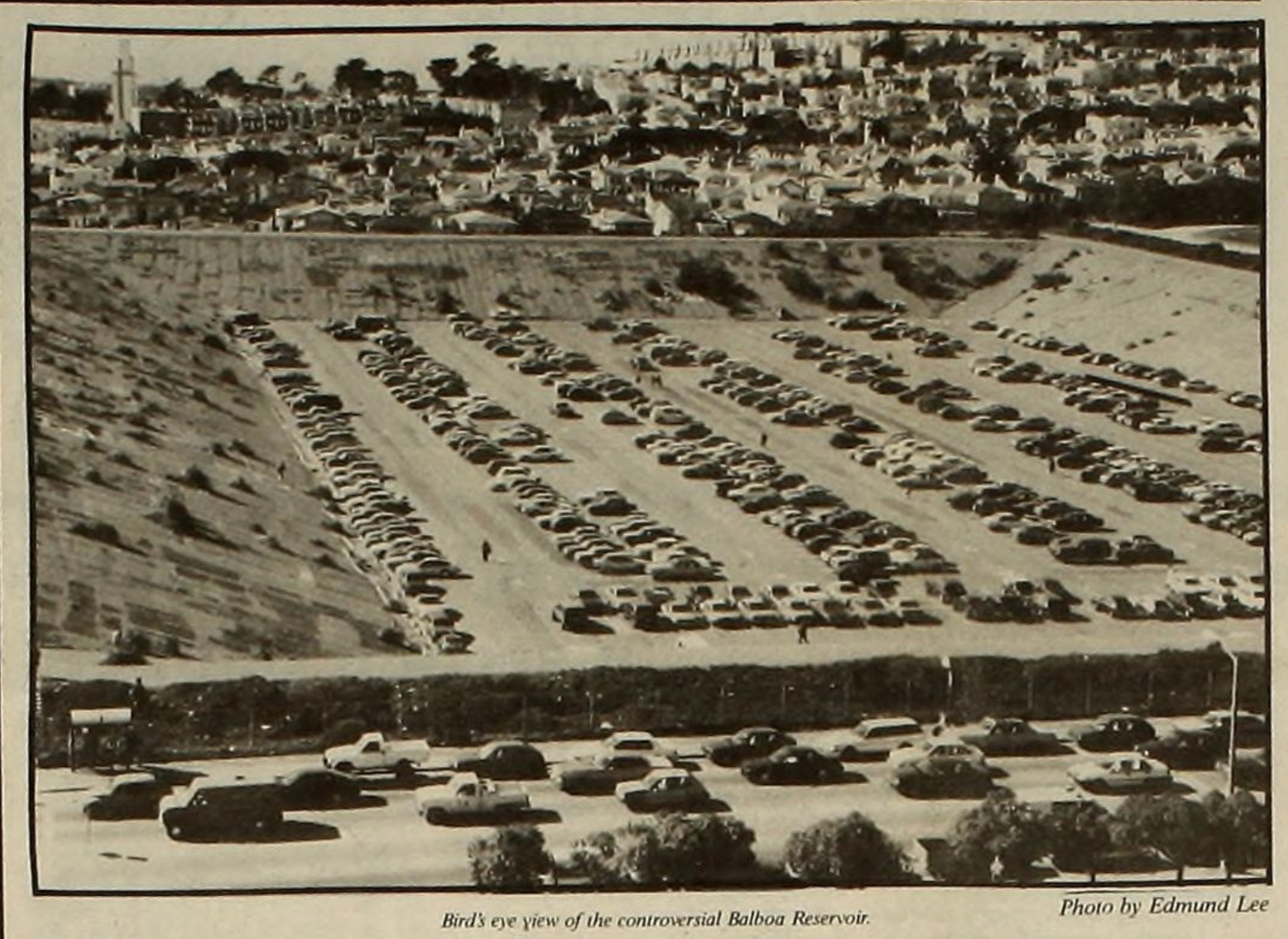
Those buildings, along with the housing being built on the lower reservoir, have slowly replaced what had occupied the space previously: massive parking lots which together held roughly 1,800 stalls for vehicles according to a 1986 issue of The Guardsman and a report by the San Francisco’s elections department.
Enviormental Appeal
“Public Land for Housing” was Mayor Ed Lee’s 2014 plan to use public-private partnerships to raise money for city agencies while providing public benefits such as open space and housing. The Balboa Reservoir housing project is a prime example.
While the board of trustees supported the deal, many in the college community were opposed. Alvin Jah, a City College student and researcher, fought both the city and the college’s trustees.
Mueller led an appeal, saying that the environmental impact report failed to accurately take into account existing conditions (need for parking) and didn’t sufficiently define what was meant by “affordable” housing.
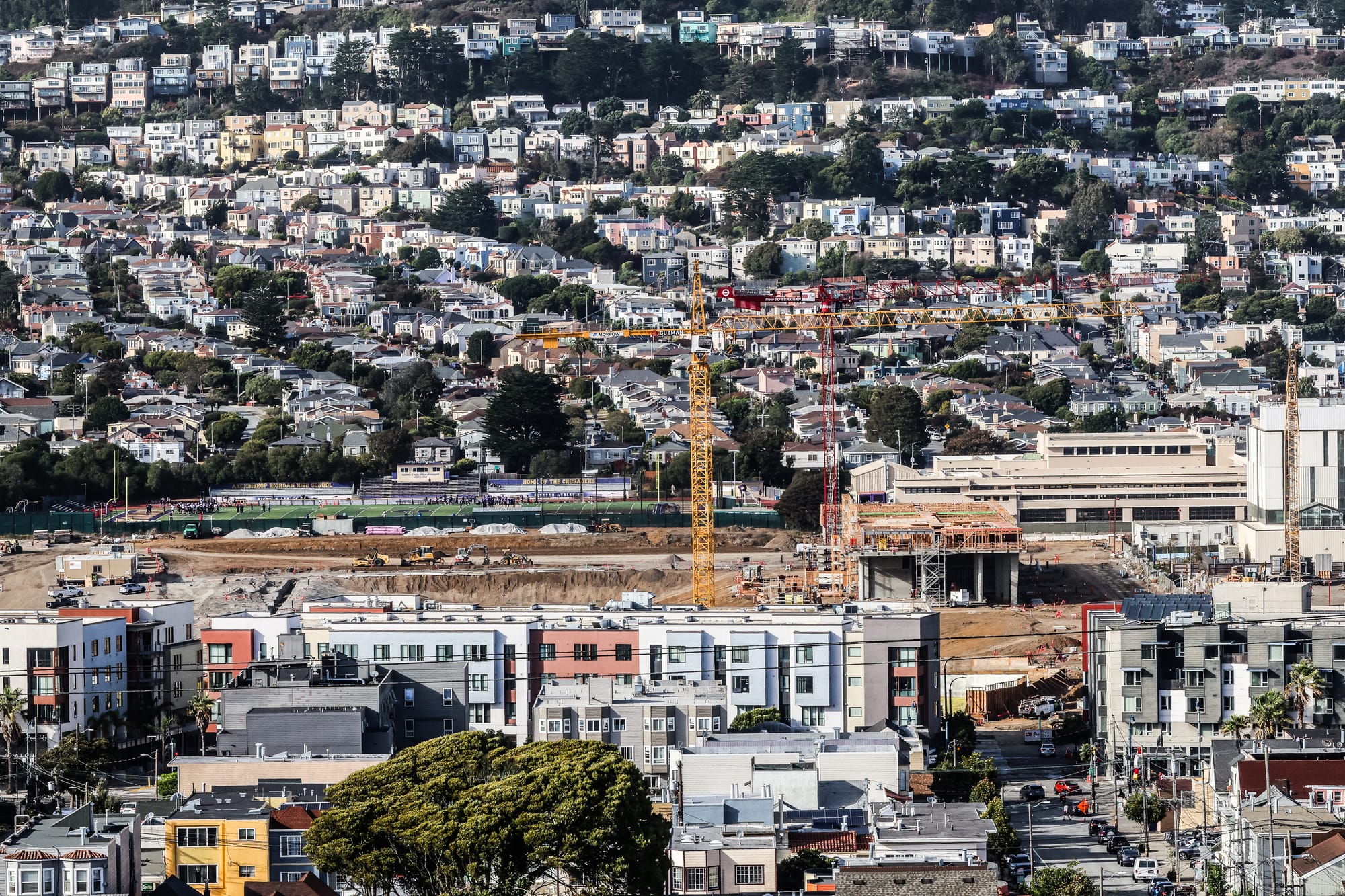
The appeal was rejected. During the first summer of the COVID-19 pandemic, the college, city and developers signed the development agreement.
The private partners declined to begin construction. In 2025, afraid of losing out on substantial state dollars, the city stepped up with “gap loans” to fund the infrastructure and begin building the housing.
“What I don’t get is that they've turned public land into private land,” said former Vice Chancellor Leslie Plato Smith. “Why would we take public land and use public dollars to give it to developers to build private housing on land that was [needed] for City College.”
Mueller is still hoping for student housing and more parking if the market rate development plans are dropped.
Sutro's Sale
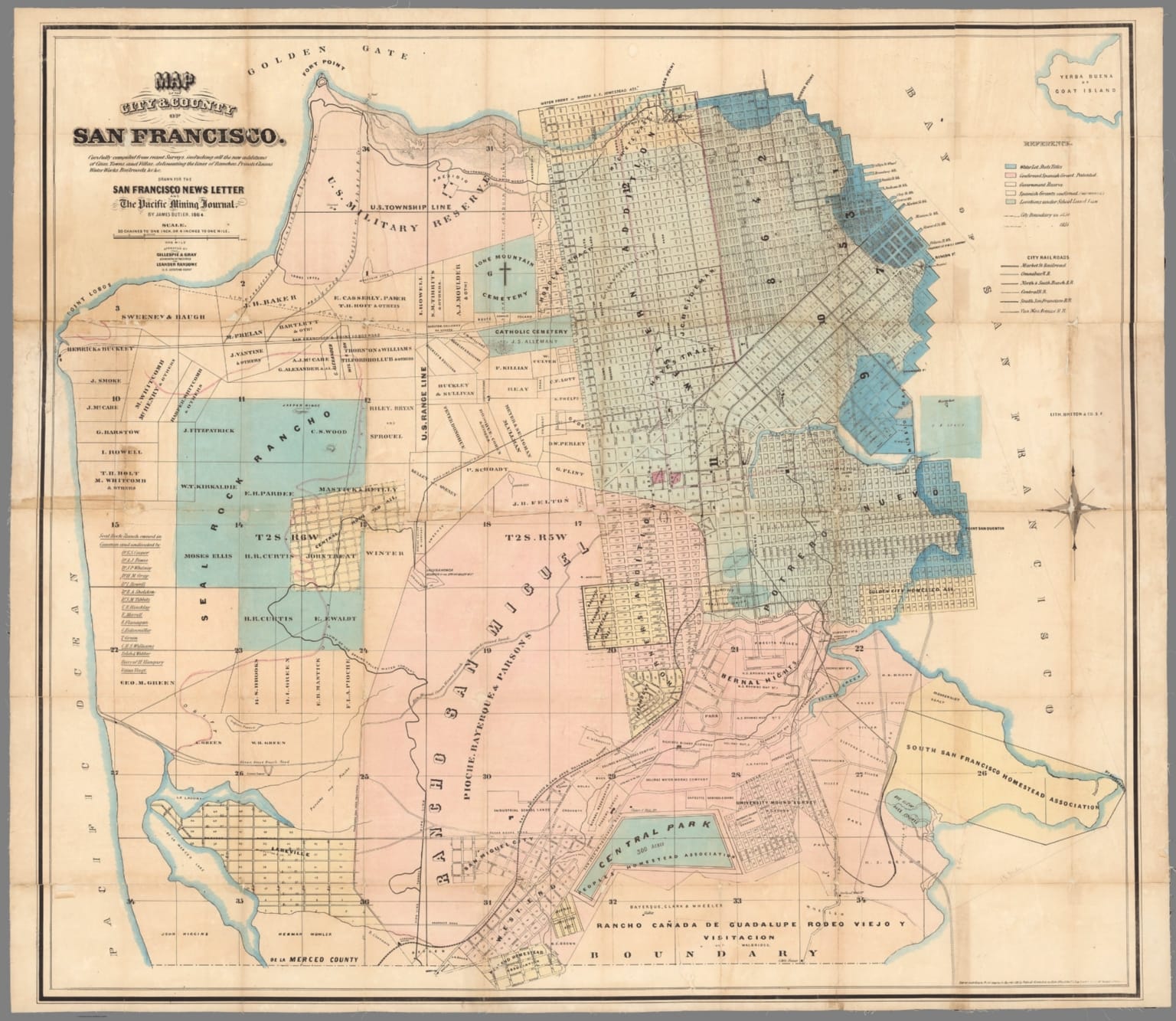
The 42-acre lot has been cut up and handed off piecemeal over the last 132 years, beginning with Adolph Sutro’s sale of the land to the Spring Valley Water Company (SVWC) in 1894. They immediately announced their intent to build a reservoir on the lot.
The company, which held a monopoly on the rights to water in San Francisco, did essentially nothing with the site for 39 years, besides lease it for greyhound racing and farm land.
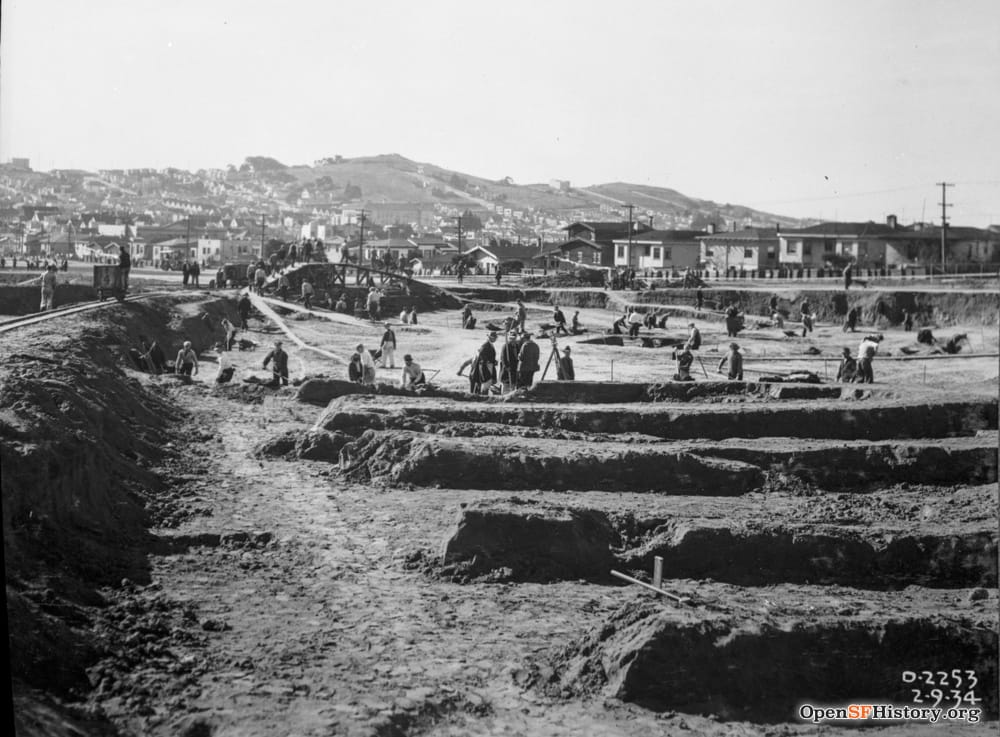
The city bought the SVWC’s holdings in 1928, and in 1931, the newly created San Francisco Public Utilities Commission (SFPUC) revived the plan for a reservoir on the site. They began digging in late 1933, and didn’t get much further than that, abruptly stopping construction in 1934.
In 1944, as World War Ⅱ raged on, the SFPUC leased the land to the Women’s Naval Reserve. The agency built housing for over 1000 enlisted women and naval officers, and put up numerous structures including a cafeteria and an auditorium that sat 1,800.
After the war, the structures were decommissioned and then leased, along with the land, to City College. They would immediately put the West Campus to use, as an influx of students after the war proved the space was needed.
Although the college enjoyed its time with the site, the joy was short-lived.
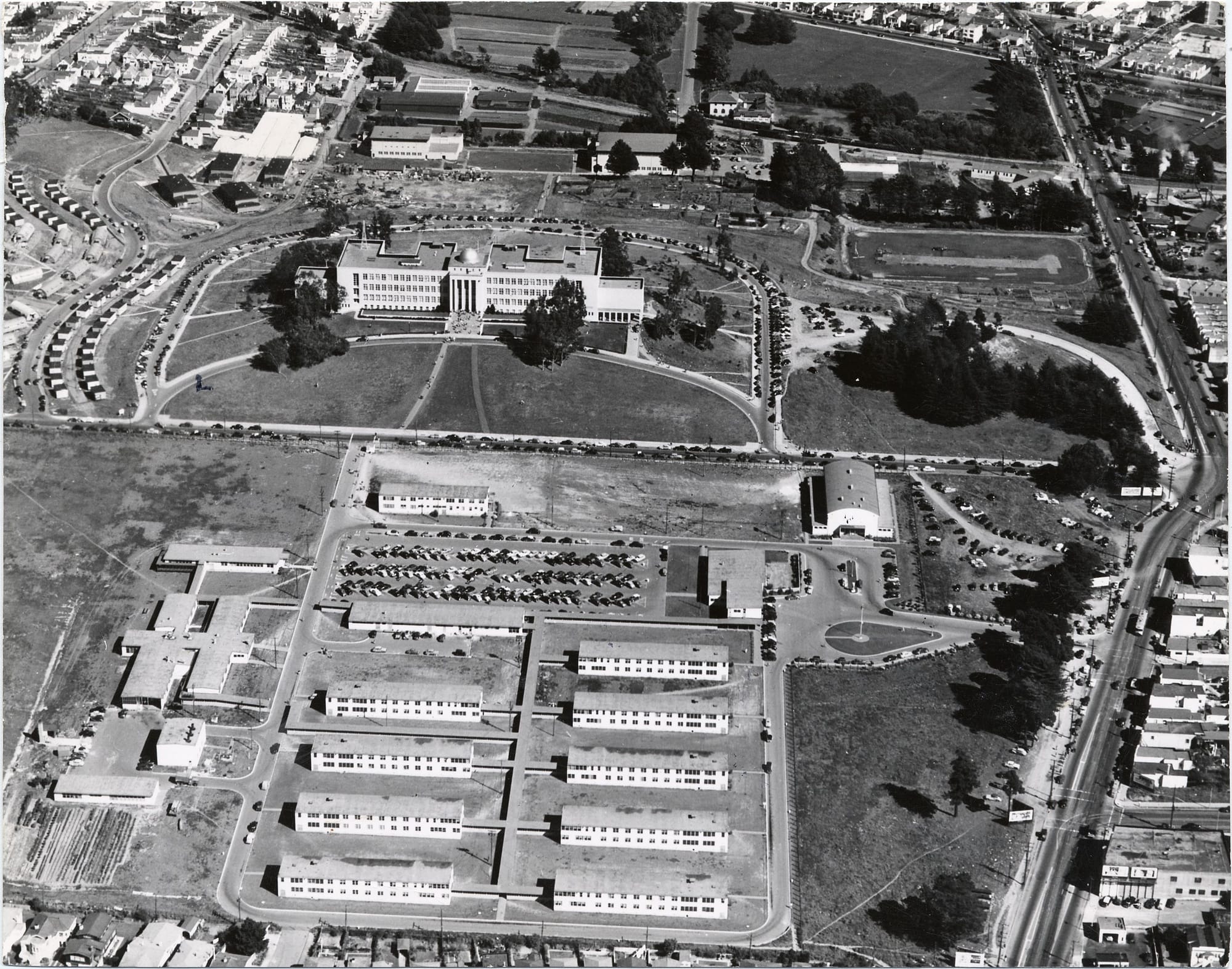
SFPUC kicked City College off of the land in 1955, with the intent of reviving the idea for a reservoir, an idea that had lain dormant since the 1930s.
They dug out the basins, excavating and embanking and then laying asphalt, but that ended up being the last work ever put towards actually completing the reservoir.
The south basin was declared “surplus” in 1984, although plans for an operable reservoir would continue to circulate until the early 1990s.
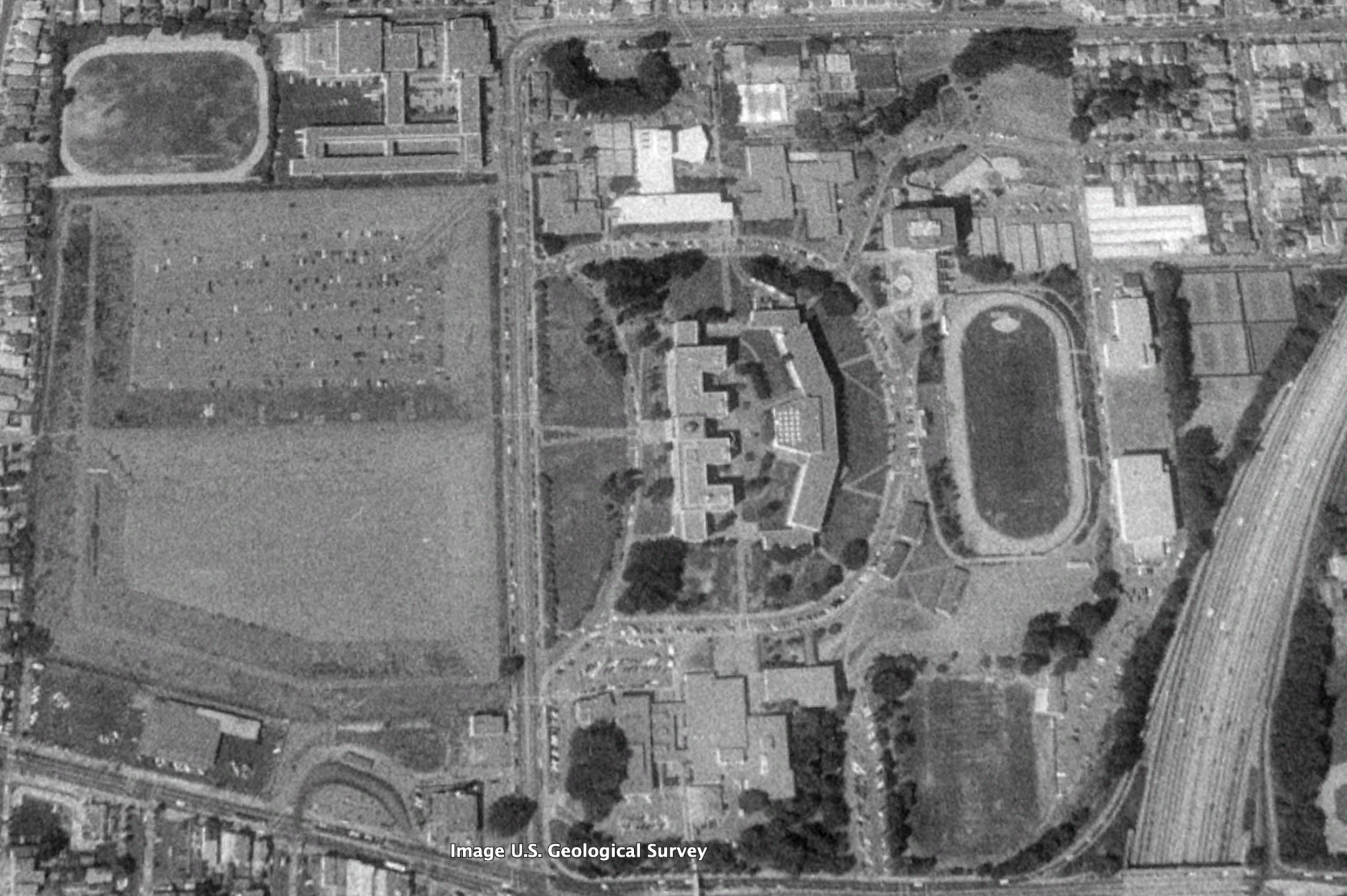
Use of the reservoirs for parking “was a temporary situation,” said Harry Bernstein, instructor for the Music Department since 2001. “Until [1984], there was always a plan to put a reservoir there, even though there was no water connection.”
Inevitably, the site began to be eyed for development of housing. Mayor Dianne Feinstein, with a bit of shady legal dealing (which involved pushing developers to build on the land, and for SFPUC to hand the land over for that purpose), was able to get a plan for the site off the ground. The mayor’s Office of Housing and Economic Development would set the price for the South Reservoir at just $36,900 in 1984, a remarkably low price given that Sutro originally sold the land to the SVWC for $60,000.
The question of whether to develop the site would be taken to a vote in 1986 with Proposition E, which if passed would have put a ban on development of the reservoir for three years. It did not pass, serving as a win for Feinstein, and a loss for City College. Development plans continued to progress.
But not for long. The following year, after a grassroots campaign by faculty and students, had grown heavily in size, and after gaining enough signatures, they were able to put Proposition B on the ballot. The measure, to prevent the reservoir from being rezoned, was approved by the voters.
That year, 1988, Art Agnos took office and quickly revived plans for housing on the site, first trying to get it rezoned (which was deemed too soon after Proposition B to be viable), and then pivoting to Proposition L, which was essentially a rehash of Feinstein’s original proposal.
As with Proposition B, Proposition L faced steep opposition from those in and around the college, and it did not survive that opposition, with the “No” count coming in at 50.4%. Just over the line.
Agnos held out until 1991, when he finally started discussing a swap of properties between the city and college. But there was just one more thing. Another proposal for housing.
Agnos proposed a much smaller scale project than the others, with 120 affordable units for seniors along with retail. City College immediately fought back, and the measure, again called Proposition L, was again shot down.
That land swap, however, ended up happening. The college gave the city a property at 17th and Folsom streets, and the college received what they had wanted all along: the reservoir, at least part of it. The property later was realigned so that City College’s piece would border Frida Kahlo entirely, giving us the set up we see now of the “upper” and “lower,” the latter of which is owned by SFPUC. This realignment also gave the site an east-west orientation compared to the historical north-south one.