City College Should Be Investing in Downtown Instead of Leaving
City College is closing its Downtown Center just as San Francisco is investing in reviving the neighborhood, pulling free public education out of the community that needs it most.
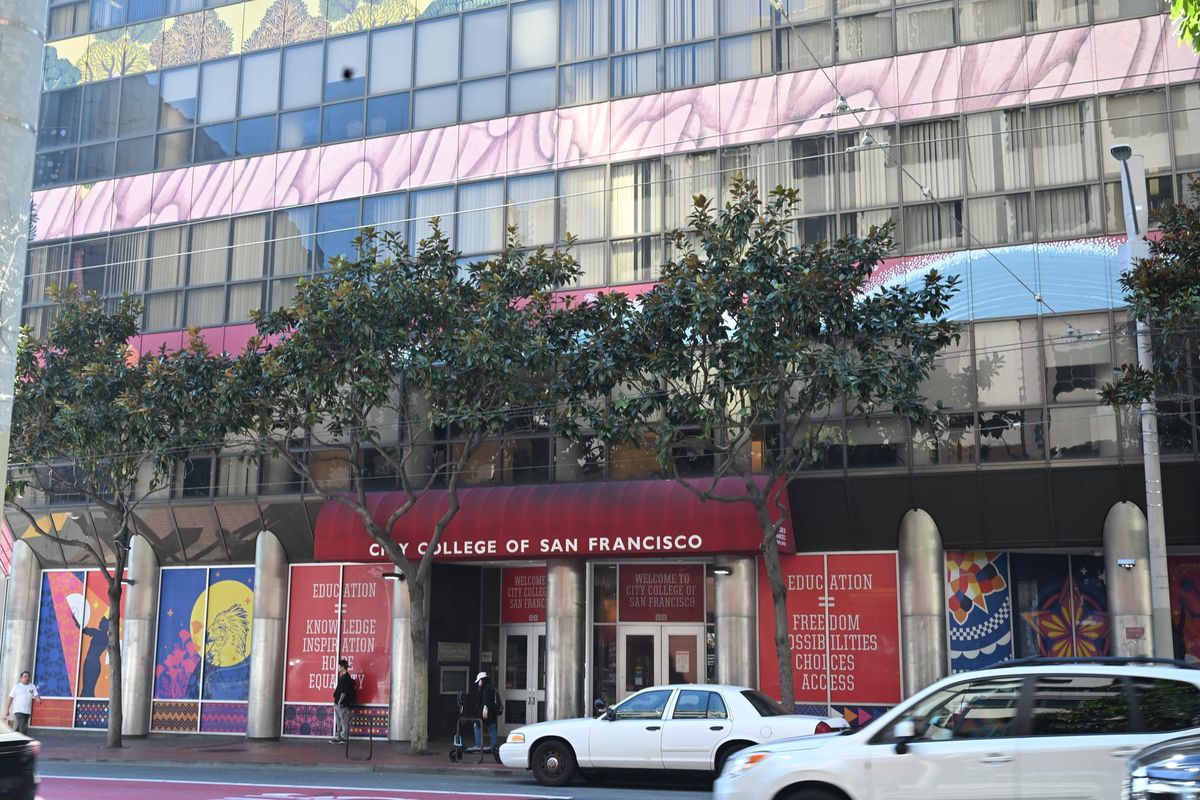
I have lived in SoMa for three years, and I watched as the neighborhood’s educational institutions struggled to recover from the pandemic. On the corner of Fourth and Mission, City College’s Downtown Center stood, as it has since 1979, welcoming fewer students each semester, but at least the lights were still on. This fall, it will go dark.
During the most recent Board of Trustees meeting on March 26, a crowd of 30 current and former faculty and students attempted to persuade the administration to reverse their decision to close the DTC. The meeting ran long — over seven hours — as the community decried the removal of the college’s presence from the most central part of the city.
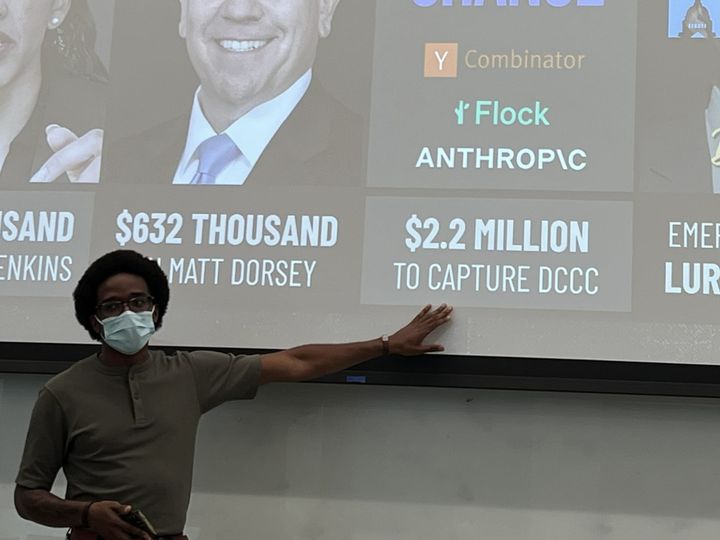
City College says the Downtown Center must move its classes because it is set to lose $2.2 million in state funding. Pandemic-era protections such as Hold Harmless delayed that loss, but are set to expire on July 1. Currently, the campus enrolls the equivalent of 152 full-time students, far below the 1,000 FTEs required for continued state support.
But this loss is bigger than moving some programs to other campuses. And I would argue that SoMa is one of the San Francisco neighborhoods where the college is needed most.
The city’s own downtown directive, issued by Mayor Daniel Lurie in September 2025, says the future of the city center should include learning opportunities. At a time when the city is trying to revive the neighborhood, it seems wrong that the Downtown Center — accessible, public and free — will stop providing classes to the community by the end of this semester.
City Hall’s “Heart of the City” directive imagines downtown as a place where people can “live, work, play and learn.” The directive also calls on the city to secure commitments from academic institutions to open or expand campuses and programs downtown, and says the new financing district could support housing for 10,000 additional residents.
Yet downtown’s only free public college, which could be used to draw new residents to the area, is being shuttered just as the economic recovery begins to take off.
While city officials talk about rebuilding downtown, one of the few institutions explicitly devoted to public access and upward mobility is being pushed out of it.
A study by the Colorado State Higher Education Executive Officers Association found that students affected by closures were 71.3% less likely to reenroll in another college after one month and 50.1% less likely to complete a credential than similar students who did not experience a closure.
When New England College shut its Manchester city campus, New Hampshire Public Radio reported that the campus had shrunk to 126 students. Only 80% of affected students chose to move to classes at the main campus instead, and local arts leaders said the loss left “a bruise.”
The Manchester community said the campus’ students and staff were part of the city’s fabric and that even the few hundred students moving through downtown had a major local economic effect, NHPR reported.
Colleges in the heart of city centers can play crucial roles in economic recovery efforts. Other cities seem to understand this more clearly than San Francisco does.
Georgia State says its $107 million “College Town Downtown” plan is meant to reinvigorate downtown Atlanta.
San Jose State’s impact page says it creates 9,900 Bay Area jobs, and local reporting during the pandemic described downtown businesses waiting for students to return because the university generated hundreds of millions in local economic output.
Sacramento State’s official downtown project says a new capital campus is meant to “accelerate downtown economic activity” and put education, housing, workforce development and cultural vitality in the city core.
Last year, the Chronicle identified nearly 13,000 in-person students across a dozen downtown SF colleges and universities, and reported that those schools were urging the city to invest in the institutions already in place.
Closing the Downtown Center may seem like a simple cost-saving maneuver, but it is hard not to take the decision as a quiet contradiction. At a time when the city is actively investing in downtown’s recovery, City College is divesting from the community by closing the area’s only free, public, centrally located educational institution.