Mobile Black History Museum Brings 15,000 Artifacts to Campus
Founded by Khalid El-Hakim, the traveling exhibit offers a wide-ranging look at Black life, culture and resistance.
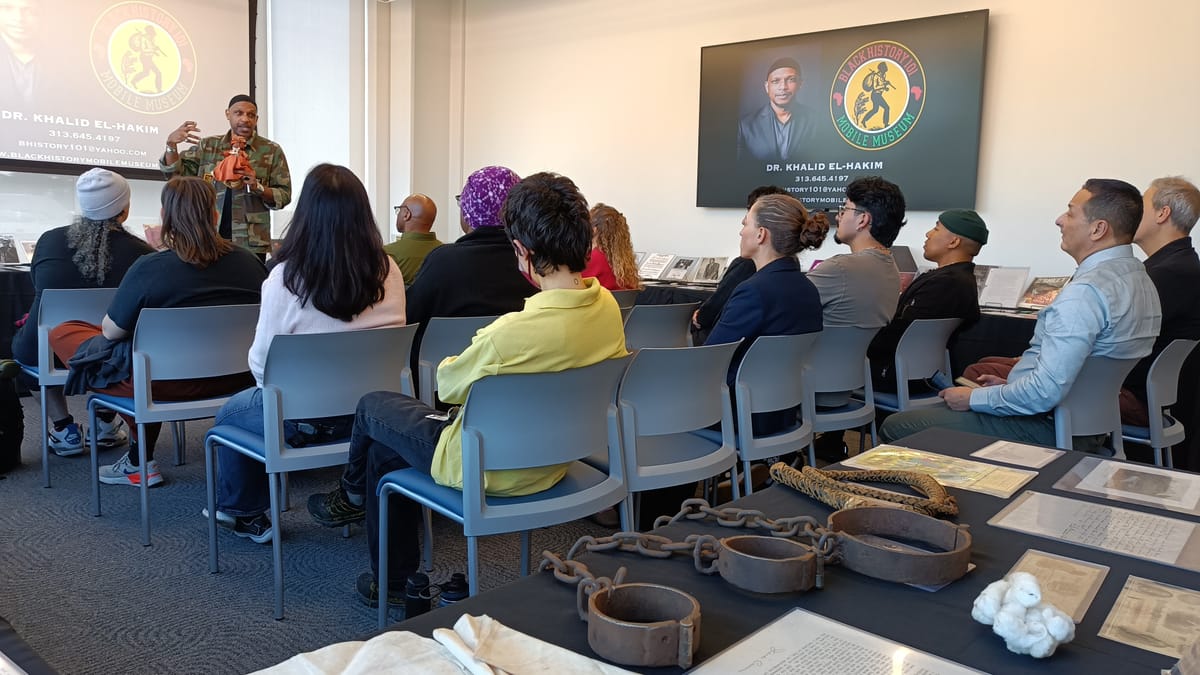
On Feb. 11 and 12, the Black History 101 Mobile Museum set up shop in the Student Success Center. Created by Khalid El-Hakim, the award-winning collection comprises more than 15,000 artifacts documenting Black history from the transatlantic slave trade to modern hip-hop culture.
Instead of residing in one building, the museum travels across the United States to schools, colleges, churches, corporations and community events. It has visited 44 states and more than 1,000 institutions, reaching thousands of viewers.
The mobile museum was initially viewed by Associate Dean of Equity Tessa Brown during the National Conference on Race and Ethnicity in Higher Education in New York City in June of last year.
“I realized that my share-back plan with the college would be to bring Dr. Khalid El-Hakim's Black History 101 Mobile Museum's living exhibition to CCSF. I wanted to share this exhibition with our students and the college community because it's powerful, compelling, and transformational,” Brown said.
Collecting History
El-Hakim grew up in Detroit and was influenced by hip hop culture. What began as a hobby—collecting baseball cards and music at a young age—slowly grew into a large collection of Black historical materials.
“I wanted to learn more about Black history because I felt it was not fully taught in schools,” he said. He collected items from antique shops, bookstores, flea markets, garage sales and auctions.
After 31 years, his collection grew to about 15,000 items, including photographs, written works, postcards, and pins that offer insight into the cultural influence of Black Americans. The exhibit includes information about leaders such as W.E.B. Du Bois, Booker T. Washington, and Carter G. Woodson, who helped start Black History Month. It features pioneers like Jackie Robinson, the first Black Major League Baseball player in the modern era.
The museum covers music and culture, including Aretha Franklin, James Brown, Sly and the Family Stone and Tupac Shakur. It also includes materials from the Black Panther Party and items related to events such as the Million Man March.
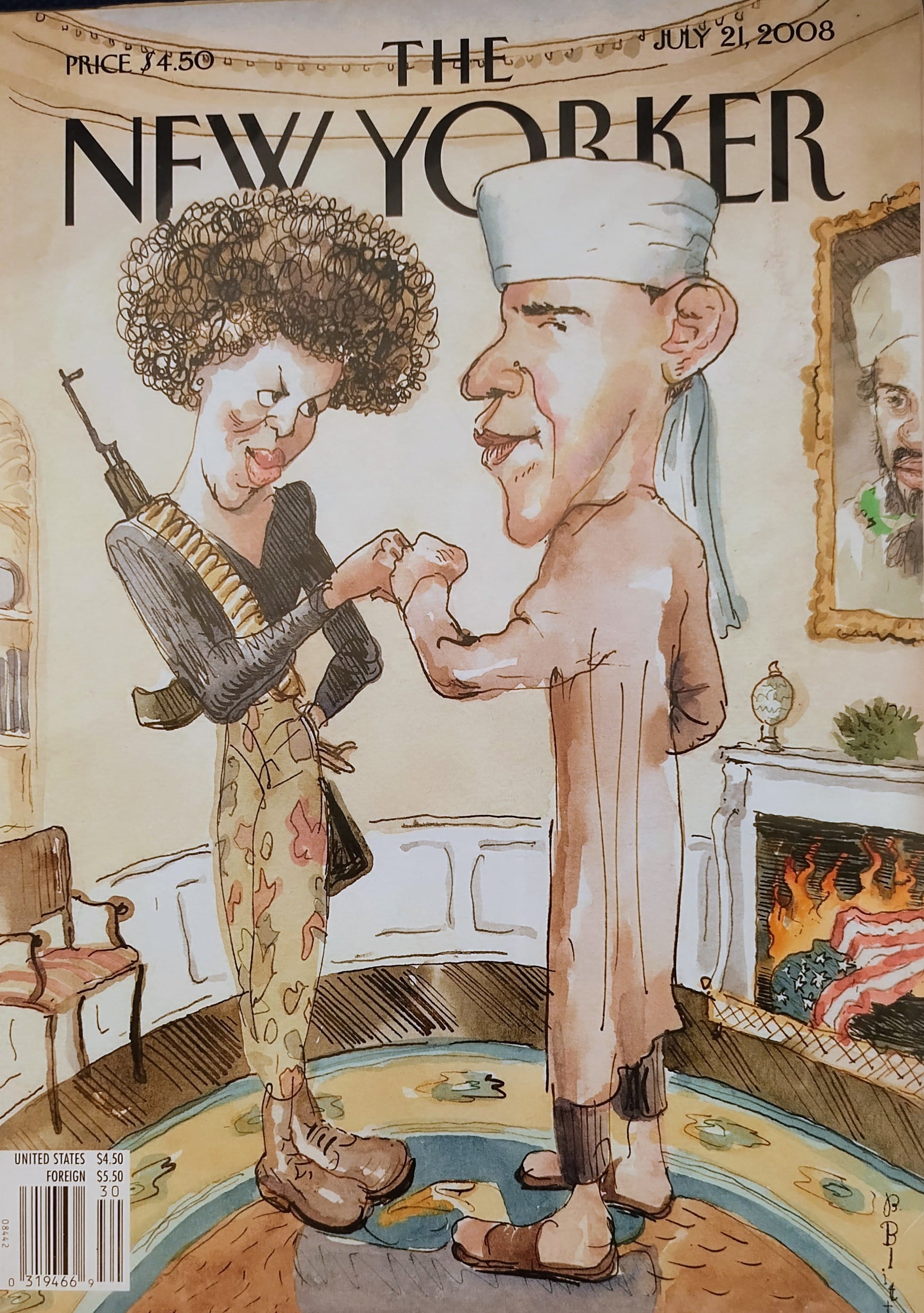
Visitors to the museum see examples of racism, harmful stereotypes, and discrimination, as well. In his presentation, El-Hakim used many examples to explain and analyze how Black people, including former President Barack Obama and his wife, have experienced racism throughout history across the country and around the world. At the same time, visitors learn about strength, achievement and resilience.
El-Hakim believes Black history is central to American history. He says students need to feel seen, supported, and represented in school. When students learn about people who look like them and share similar experiences, they feel more confident and successful.
Today, the museum is his full-time work. His wife and five daughters support him and travel with him, making it a family mission. His goal is to inspire others to start mobile museums and community archives so that Black history can continue to be preserved and shared for future generations.
A Community Inspired
Andrew King, Interim Dean of Social Sciences, Behavioral Sciences, Ethnic Studies, and Social Justice, described the Black History 101 Mobile Museum as an engaging and accessible way to experience Black history. He found the exhibit deeply enlightening and said the artifacts “brought a fresh and relevant meaning to the impact of Black culture in American life.”
Neche Okeke, a Computer Science major, said visiting the museum was very eye-opening. He learned many things about his history that he had never been taught before. He was grateful that the exhibit was on campus because it helped him better understand himself and his background.
Student LaMonte Harrism, a Cinema, Music, and Black American Studies major, said the gallery is a great gift during Black History Month.
Over the two days, about 200 students, faculty, and staff visited the exhibition.