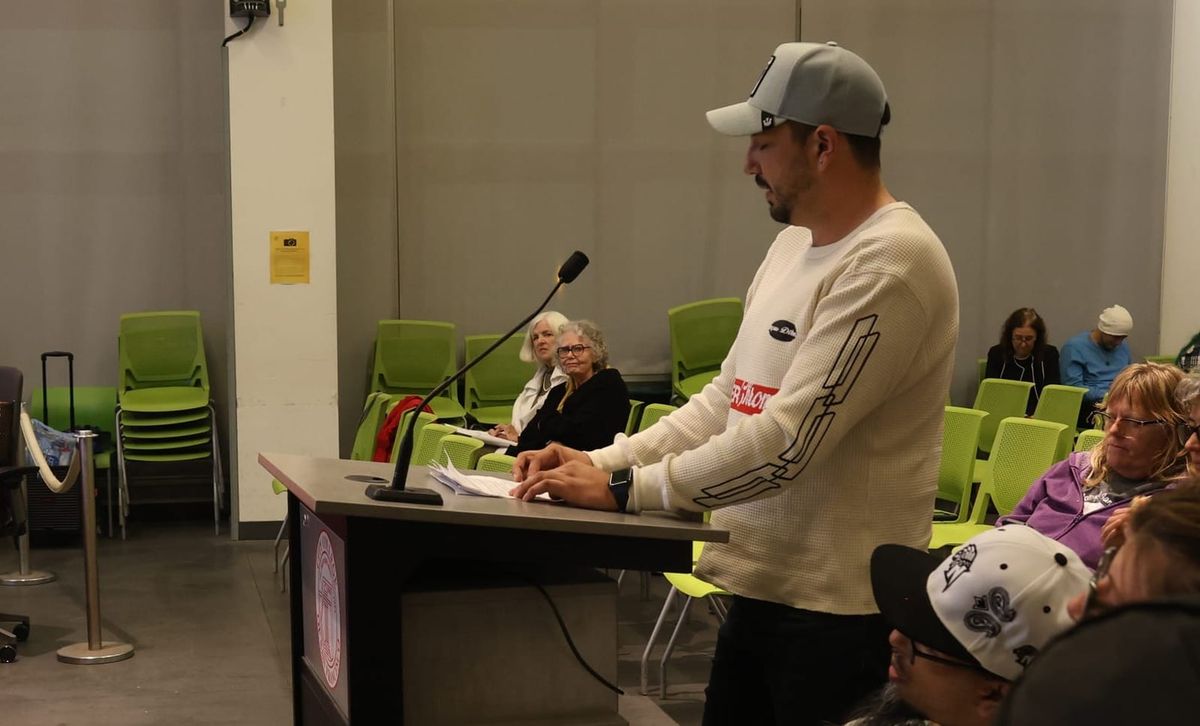
Student Presidents Protest College’s Closure Plan
“I am possible because you are!” — Ann Fontanella
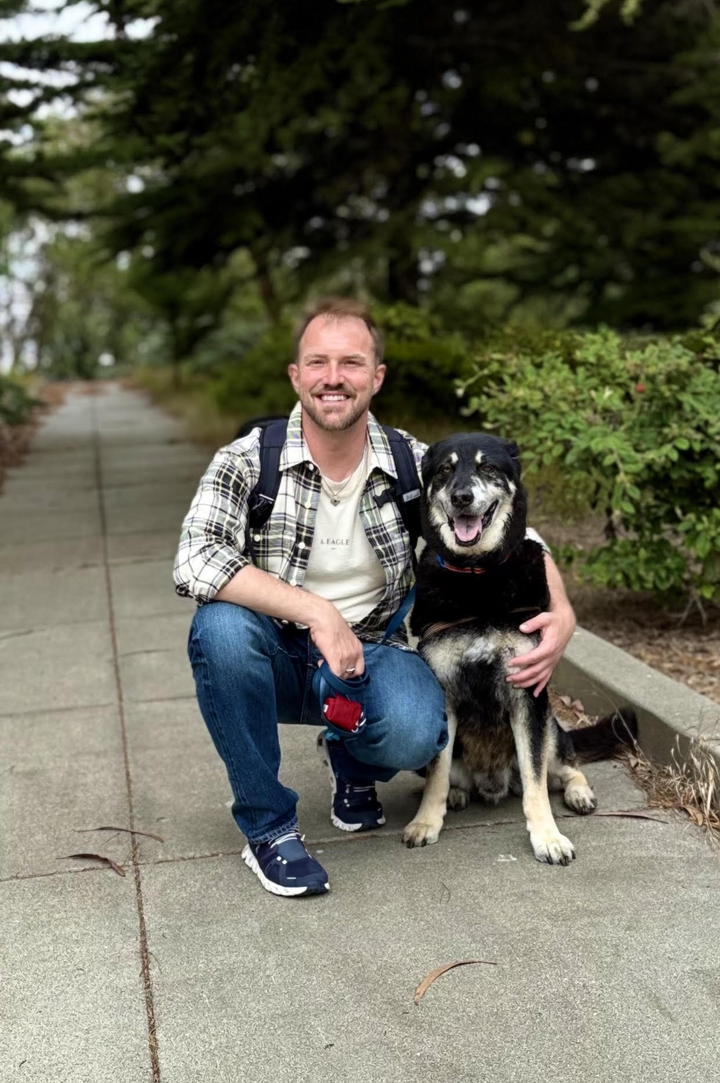
By Maria Caroliny de Oliveira, ASC Downtown President, and Anderson Cortes, former ASC Downtown Vice President
The Downtown Center (DTC) is more than just a building — it is a lifeline for City College students and the community. It has been one of CCSF’s most diverse and vibrant campuses, with students that speak more that 42 different languages, yet the administration is gutting programs and announcing a shut down.
Located in the heart of San Francisco, the DTC offers accessible, affordable education to working students, immigrants, multilingual learners and low‑income families. Its closure would abruptly cut off the only realistic educational pathway for many of us, at the exact moment when our city says it wants to support equity and downtown revitalization.
City College’s administration keeps making the same wrong decisions: they claim that cutting current enrollment protects future enrollment. The past decade has felt like a concerted effort to dismantle City College. The Gough Street, Civic Center, Oakdale and San Francisco Airport campuses are all gone now, closed one-by-one to supposedly save City College.
The same pattern is evident in the closing of the DTC. The business program was moved out of the DTC, followed by the fashion program. The on-site restaurant, the Educated Palate, was closed and the Culinary faculty moved to Ocean. About a year ago, the decision to remove foreign language classes from the DTC was made. Now, it is the pastry program and ESL classes that will be going.
Geisce Ly, dean of the DTC, also oversaw the closing of the Civic Center campus. There is little evidence to suggest efforts from the college to build programs or community partnerships. Instead of closure, the college could be recruiting students from downtown hotels and restaurants with evening ESL classes, or expanding offerings in small business administration. Similarly, there has been no effort to serve small businesses, large businesses or students in the service industry.
The administration seems wedded to an enrollment fallacy, telling us that all the students will move from the DTC to other campuses and bump up their full-time equivalent students. However, some students will be unable or unwilling to move. We know of several Muslim women who are able to attend classes at the DTC because they are dropped off by their husbands who work nearby. Other centers are not located as close to the downtown service industry, making travel more time consuming. Vulnerable populations who may only be able to access the DTC will be left behind.
The administration’s misleading claims make this pill even harder to swallow. At the Jan. 28 Town Hall, the administration and Chancellor Messina claimed there was no plan to close the DTC, and promised more classes. Now we are all being told the exact opposite. This sudden reversal has filled our DTC community with fear, anger, and profound sadness. People are crying in the hallways, wondering if they will have to drop out, move away, or abandon their dreams.
The story of DTC could have been different if decision-makers enacted a growth plan instead of an austerity plan that slowly bled the DTC dry. If the administration does complete its DTC removal plan, downtown revitalization efforts will be negatively impacted. The 400-plus DTC students provide customers to local businesses and an influx of support to the area as downtown has slowly come back to life.
The DTC adds character to the neighborhood, too. The DTC hosts cultural events that bring students together, drawing students from other campuses and building connections across the city. Consider the bakery, which has been extending a warm, irresistible invitation to local residents and passersby on Thursdays, with cheap croissants and other offerings.
Despite shrinking class options every year, the DTC has remained an important and special place for students, staff, and the surrounding community. The administration has decided to strip all that away. Imagine if the college were to finally make good on its promise to offer more classes and opportunities, instead of fewer?