Breaking Bread, Building Bridges: City College Hosts Its 4th Annual Community Iftar
Students, faculty, and community members gathered at City College on Thursday evening to celebrate the 4th Annual Community Iftar, sharing food, conversation, and the spirit of Ramadan.
By Qi Mai
As the sun began to set on the west side of the STEM building around 5:30 p.m. on March 5, the first-floor lobby was filled with quiet excitement.
On the left, City College staff sat at a table helping guests sign in. On the right, long tables stretched along the hallway, holding large plates of food waiting to be served. Mario Vasquez, the Chief of Police, stood nearby with a friendly smile.
Near the door of Conference Room 101, Chancellor Kimberlee Messina greeted every guest as they arrived. She shook hands warmly, offered hugs, and quietly said “Ramadan Mubarak.”
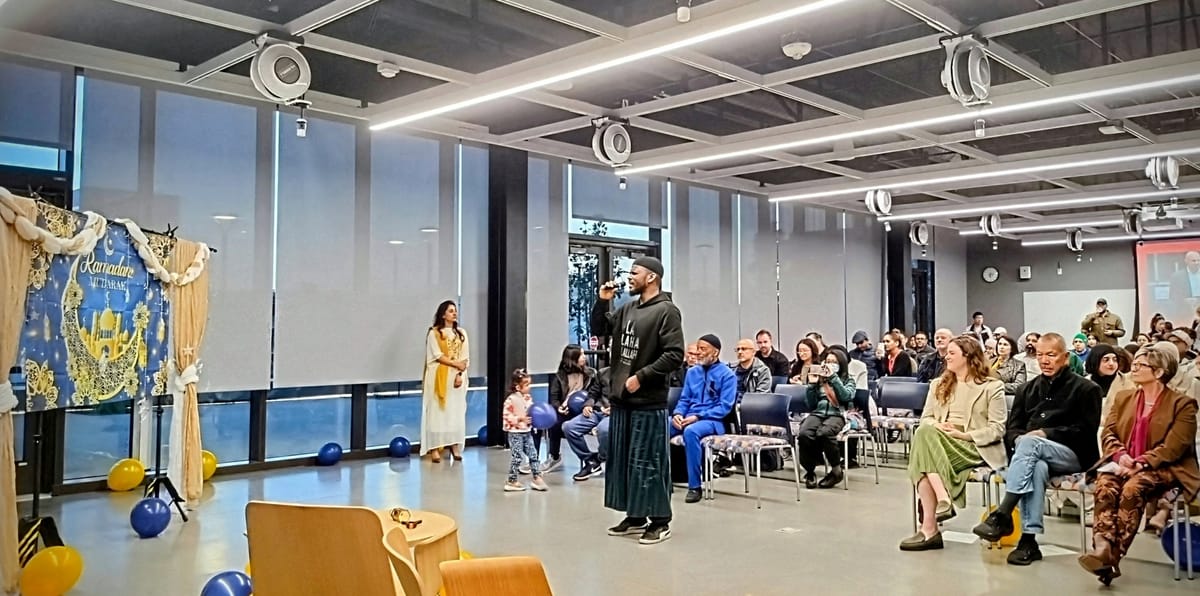
Inside the room, a long table displayed colorful halal desserts and snacks. At the front stood a small stage with a large blue background that read “Ramadan Mubarak.”
When the seats were filled by 5:48 p.m., Maghrib prayer time, the 4th Annual Community Iftar, organized by the Office of the Chancellor and the Office of Student Equity, began. The evening was designed not only to break the fast but also to bring people together and strengthen the campus community.
In a short speech, Messina said she was happy to celebrate Ramadan and share the meal with students, faculty, administrators, staff, and community members.
The event helped build connections across cultures and backgrounds and created a stronger sense of unity and belonging on campus.
Board of Trustees President Aliya R. Chisti, the first Muslim woman to hold an elected position in the history of San Francisco, helped host the event and introduced speakers throughout the evening.
Several speakers noted that Ramadan is not only about abstaining from food during the day, but also about practicing patience, generosity, and empathy — values they said are especially important today and that they hope more Americans will embrace.
During Ramadan, many Muslims increase charitable giving, and meals are often shared not only with family but also with neighbors and strangers. For many non-Muslim attendees, the event offered a chance to learn more about the traditions and meaning of the month.
More Than a Meal
Iftar is the meal Muslims eat at sunset during the holy month of Ramadan. From dawn to sunset, Muslims abstain from food and drink, focusing instead on prayer, reflection, and acts of charity.
At sunset, the fast is traditionally broken with dates and water. After that comes a full meal and the evening prayer known as Maghrib.
But iftar is more than physical nourishment. It is also a moment of spiritual reflection. Fasting teaches discipline and reminds people of those who experience hunger every day.
Ramadan 2026 began on the evening of Feb. 17 and will end on the evening of March 18, depending on the sighting of the moon.
The Moment of Sunset
As the time for prayer approached, the room gradually grew quiet. An imam – the person who leads the prayer– walked to the stage and guided the moment. Attendees gently reached for dates and cups of water while the imam led the prayer.
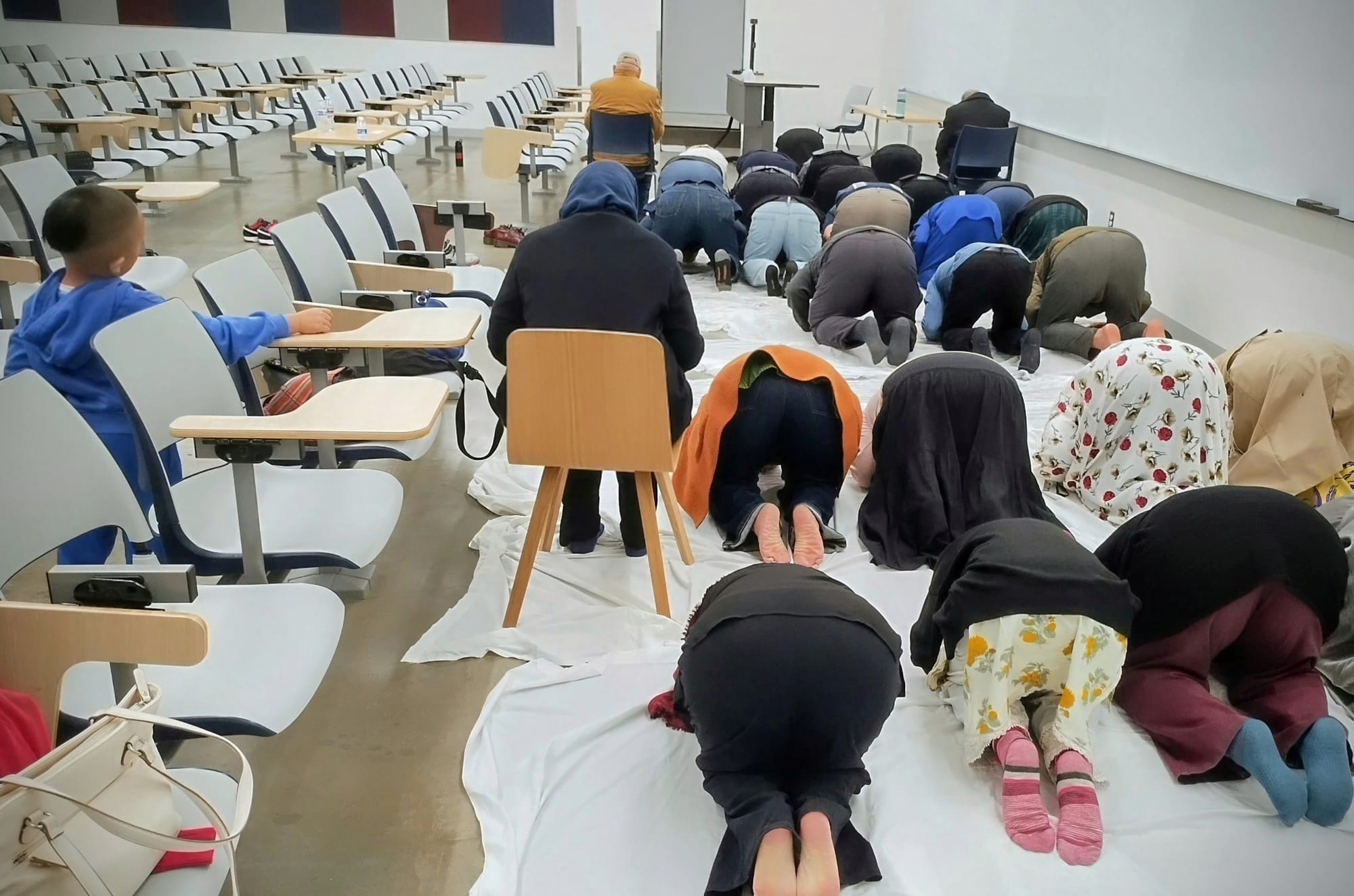
After breaking the fast, some guests walked to Room 103 to perform the evening prayer.
Soon, the meal began. The smell of food filled the room as trays were uncovered. Plates of chicken biryani offered fragrant rice and tender spiced meat. Bowls of warm lentil soup carried hints of turmeric and garlic. Sweet pastries such as baklava, fatayer, and cakes were also served.
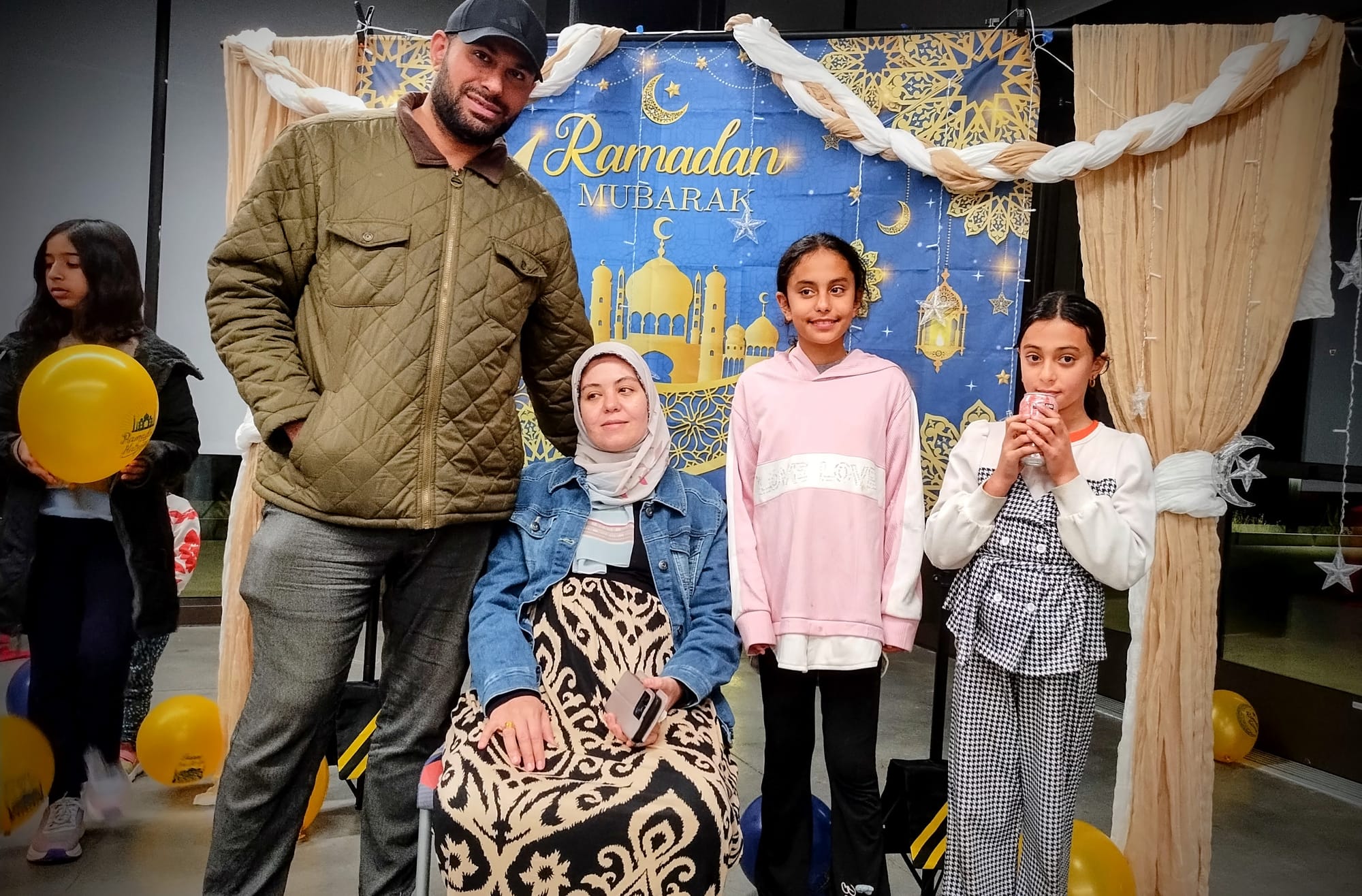
Children moved excitedly among the tables. Two young girls happily helped serve their mother and grandmother, smiling as they carried plates of food.
A Student’s Reflection
Moustafa Arafa, the father of the two girls, began studying computer science at City College in 2020. After earning his associate degree, he transferred to San Francisco State University.
During the past two weeks, he and his wife have woken up around 5 a.m. to eat before sunrise, then continued their work and studies until about 6:10 p.m.
He later learned about the event from Heather Brandt, City College Student Chancellor, Arafa decided to attend and brought his wife, children and mother.
Arafa said fasting did not strongly affect his daily routine because he has learned to balance his faith with work and study. He said he was very glad to break the fast at City College.
“I feel like I am returning home, and it is meaningful to me,” Arafa said.
Many attendees were former City College students who returned from other universities or communities to take part in the celebration.
Breaking Bread, Building Bridges
The Community Iftar at City College was not only a religious gathering but also a moment of connection. People waited for sunset side by side, reaching for dates at the same time. Hunger gave way to a shared meal. Strangers embraced, shared tables and talked late into the evening.
As the event ended, the scent of spices and sweets still lingered in the air — a quiet reminder of Ramadan’s message: after a long day of patience and reflection, the glow of sunset always returns.