City College Plans to Accept EBT, Timeline Unclear
The rollout, backed by Student Affairs leadership, comes as student hunger and basic-needs strain remain a concern at City College.
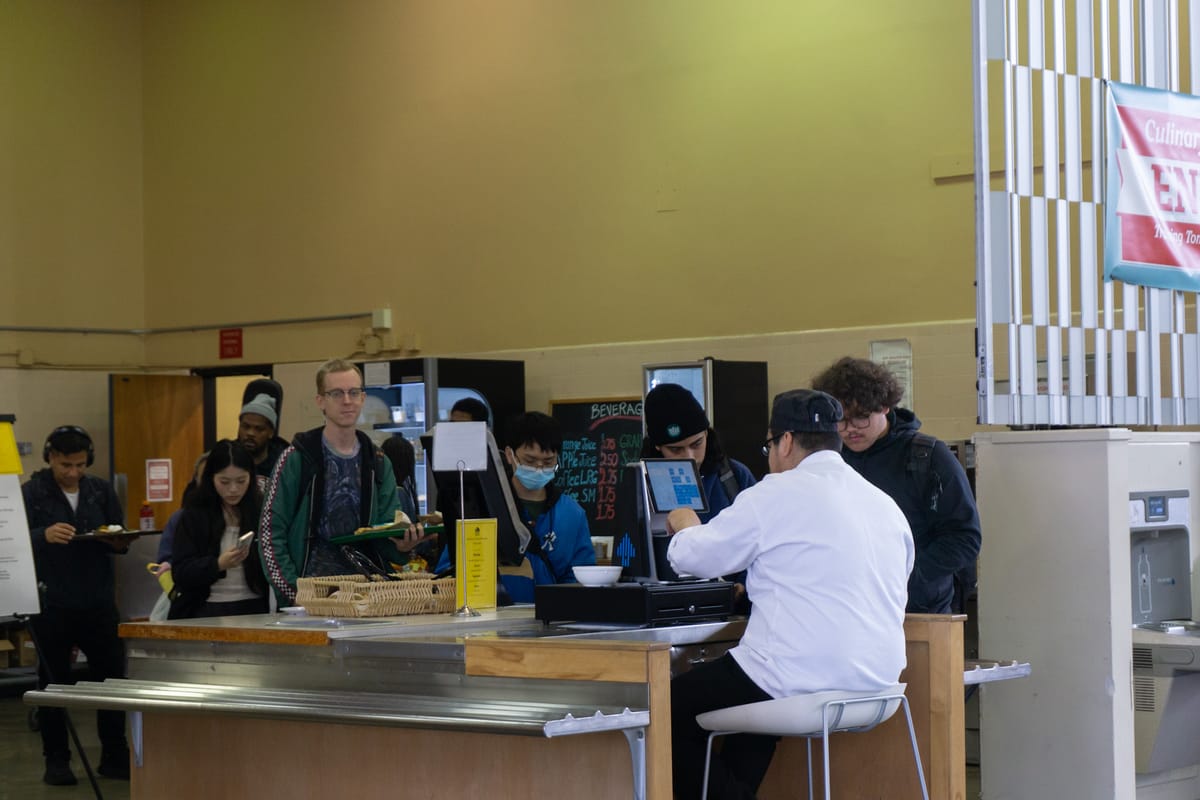
For many City College students, food, transportation and time remain barriers, and on-campus EBT card payments for CalFresh-eligible purchases access may reduce one of them.
The Office of the Vice Chancellor announced in January that students who receive CalFresh, California’s version of the federal Supplemental Nutrition Assistance Program (SNAP), will be able to use their EBT cards to purchase eligible food items at campus cafeterias beginning in March, pending final approvals and operational readiness.
Beneficiaries of public assistance programs in California receive benefits through an Electronic Benefits Transfer (EBT) card.
The change comes as colleges across California face sustained student hunger and uneven participation in CalFresh. Statewide, “around 276,000 students attending a California community college use CalFresh,” according to the California Policy Lab, as cited by KQED.
But multiple studies and policy briefs have found that many food-insecure college students still don’t use benefits, often because they believe they’re ineligible, don’t know how to apply, or lack access to the application process.
The timeline depends on both federal and operational steps. There’s still “a federal application that needs submitting” before the gift of grub is presented to students, Jen Rudd, program chair of the Culinary Arts and Hospitality department, said.
Even once EBT is accepted at college cafeterias, access won’t be automatic.
Students must still apply for CalFresh and be approved, and college student eligibility can be complicated. A California Budget & Policy Center explainer notes that “over 50% of eligible students do not participate in SNAP,” pointing to the complexity of student-specific rules as a major factor in low participation.
A UCLA Center for Health Policy Research report similarly found that among food-insecure students who had heard of CalFresh but never used it, the most common reasons were believing they were ineligible, not knowing how to apply, and not having time to apply.
Although EBT-eligible students will be able to use their benefits at the cafeterias, this is not automatic access. Students will still need to apply to the CalFresh program.
The college has expanded food access in recent years through multiple channels, including food shelves and the RAM Food Market.
On its RAM Resources page, the college says it has “relaunched our snack shelves at various locations around campus and centers with nutritious ready-to-eat snacks,” with limits of “up to 2 items per day,” checked in through the myCCSF app or a sign-in sheet.
The cafeteria EBT rollout is different from snack shelves and food distribution: it turns existing benefits into on-campus purchasing power, which matters for students who are on campus for long stretches and need food during the school day, not only take-home groceries.