Protests That Led Up to War in Iran Follow Years of Authoritarian Repression
The people of Iran have long grown tired of the Islamic Republic's political violence and constraints against its own people.
By Ahmad S. Aimaq
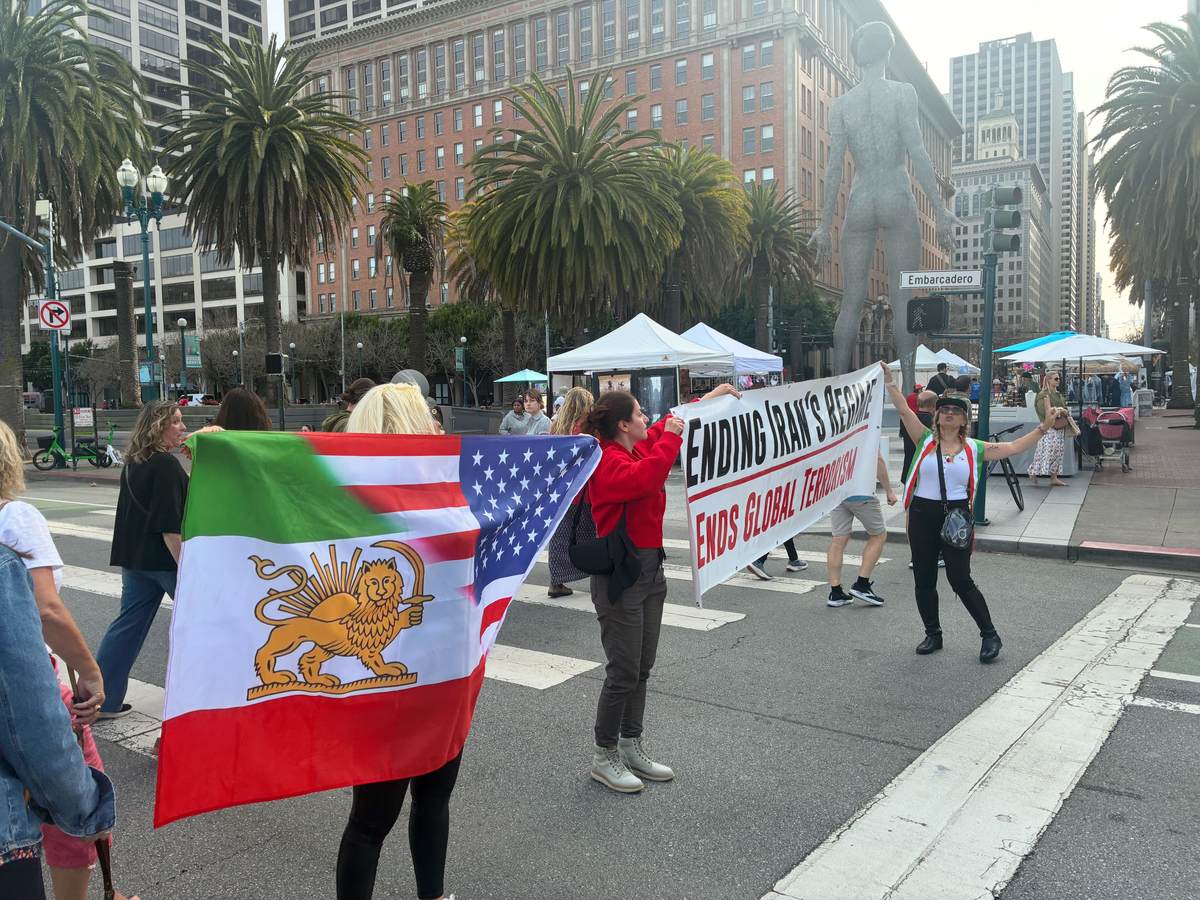
The recent nationwide protests in Iran are not just a reaction to rising food prices and economic isolation but also a reflection of decades of deeper dissatisfaction with the country's political structure and governance.
In recent weeks, cities across Iran have witnessed some of the largest and most bloody demonstrations in history, which many see as the result of years of economic pressure, political constraints, and a lack of government accountability.
According to published reports, more than 3,000 people have been killed in various waves of protest repression in recent years, a figure that human rights activists say reflects the extent of the violence against protesters.
“I am very disappointed. So many young people have been killed, and many more have been arrested. And still, there has been no real change,” Fahime Farschi Roehl said.
Farschi Roehl left Iran after the Iranian Revolution in 1979. During the revolution that lasted two years between 1978 and 1979, and ended in the Islamic Republic took control of the country.
“Sometimes they give a little bit of freedom, but after a short time, restrictions return,” Farschi Roehl said.
Economic Pressure
In recent years, the economic crisis in Iran has affected the daily lives of many citizens. High inflation has caused a sharp increase in the prices of food and basic goods, reducing people's purchasing power. In some areas, power outages and water supply problems have also fueled public discontent.
These problems have fueled public anger, Farschi Roehl said. “People are tired of not having a real political voice.”
Mitra Sapienza, an English professor at City College, believes that the situation in Iran is a mix of hope, concern, and disagreement about the country's future. “There is pride in Iranian history and culture, but people are divided. Many want change, but they don’t agree about what system should replace the current one.”
"My worry is that people will fight each other instead of coming together,” Sapienza said.
Gradual Reform or Sudden Change?
Dr. Maziar Behrooz, a history professor at San Francisco State University, believes it is difficult to predict the outcome of these protests.
Behrooz emphasized that historical experience shows that sudden revolutions often lead to instability. “My hope is that change from this government, from this state system, from the Islamic Republic to anything in the future is going to be done gradually and peacefully.”
Gradual changes, he said, may increase the likelihood of a more stable military. “Out of revolutions, the outcome is usually chaos and then dictatorship.”
Protests in the Shadow of Regional Tensions
In addition to domestic crises, recent military developments have also affected Iran’s political landscape.
In recent weeks, military strikes in the region have killed several senior Iranian officials, including Ali Khamenei, considered Iran’s most powerful political figure for decades, who was killed in an airstrike. His death further complicates the country’s political landscape and raises new questions about the future of Iran’s leadership and political direction.