UMOJA/AASP Moves Location After Almost Two Decades
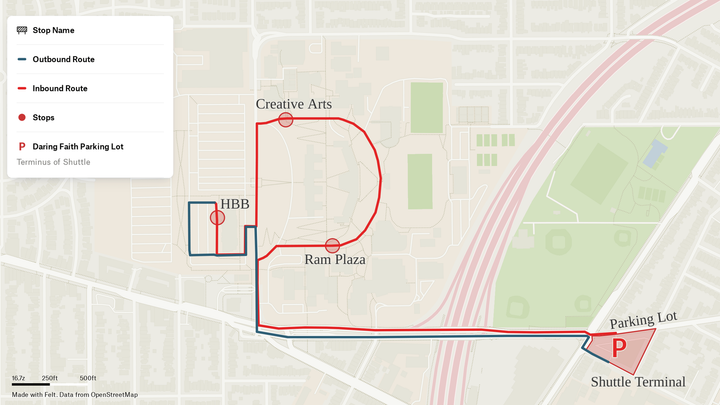
A ribbon-cutting ceremony on Feb. 4 marked the program’s relocation to the Harry Britt Building, launching Black History Month with renewed institutional backing and mixed reactions from students over the move.

By Karla Lopes
A ribbon-cutting ceremony marked the grand opening of UMOJA/African American Scholastic Programs’ new room on Feb. 4, welcoming dozens of guests.
Kicking off Black History Month, students and faculty packed the lobby of the Harry Britt Building alongside Tony Mayfield’s vibrant drumming at Room 101.
“Today marks a really important moment of transition, growth and renewed commitment to our students,” said Vice Chancellor of Student Affairs Dr. Lisa Cooper Wilkins during the event. Dr. Cooper Wilkins noted the impact and “deep contribution to City College’s mission of student achievement and lifelong learning” of AASP Founder Dr. Henry Louis Augustine Jr.
“It is so good to be here, while you open up a brighter and new space,” said Eric Mayes. Mayes, chief executive officer of the UMOJA Foundation, emphasized the importance of UMOJA/AASP as a powerhouse partnership to provide holistic support to City College students.
Chancellor Messina ended her brief statement expressing her gratitude “to have the opportunity to support our Black students in community, success, and equity.”
“At first, I was on the fence with it – the room moving,” said Jaamar Nelson, a UMOJA student worker, who understands the former room's ties with Dr. Augustine’s legacy.
Carlos Webster, UMOJA/AASP coordinator, hoped that students will be able to make good use of the space for community, study, counseling and other resources.
Adapting to the New Space
Last semester, a number of students signed a petition expressing disapproval of the move from what Black Student Union Co-President Evangela Brewster noted as “the best resource on campus.”
“When you go to UMOJA/AASP in the library, all of these things – books, tutors, and computers– are at your fingertips,” Brewster added. She pointed to Dr. Augustine’s primary legacy, highlighting African American students as scholars first.
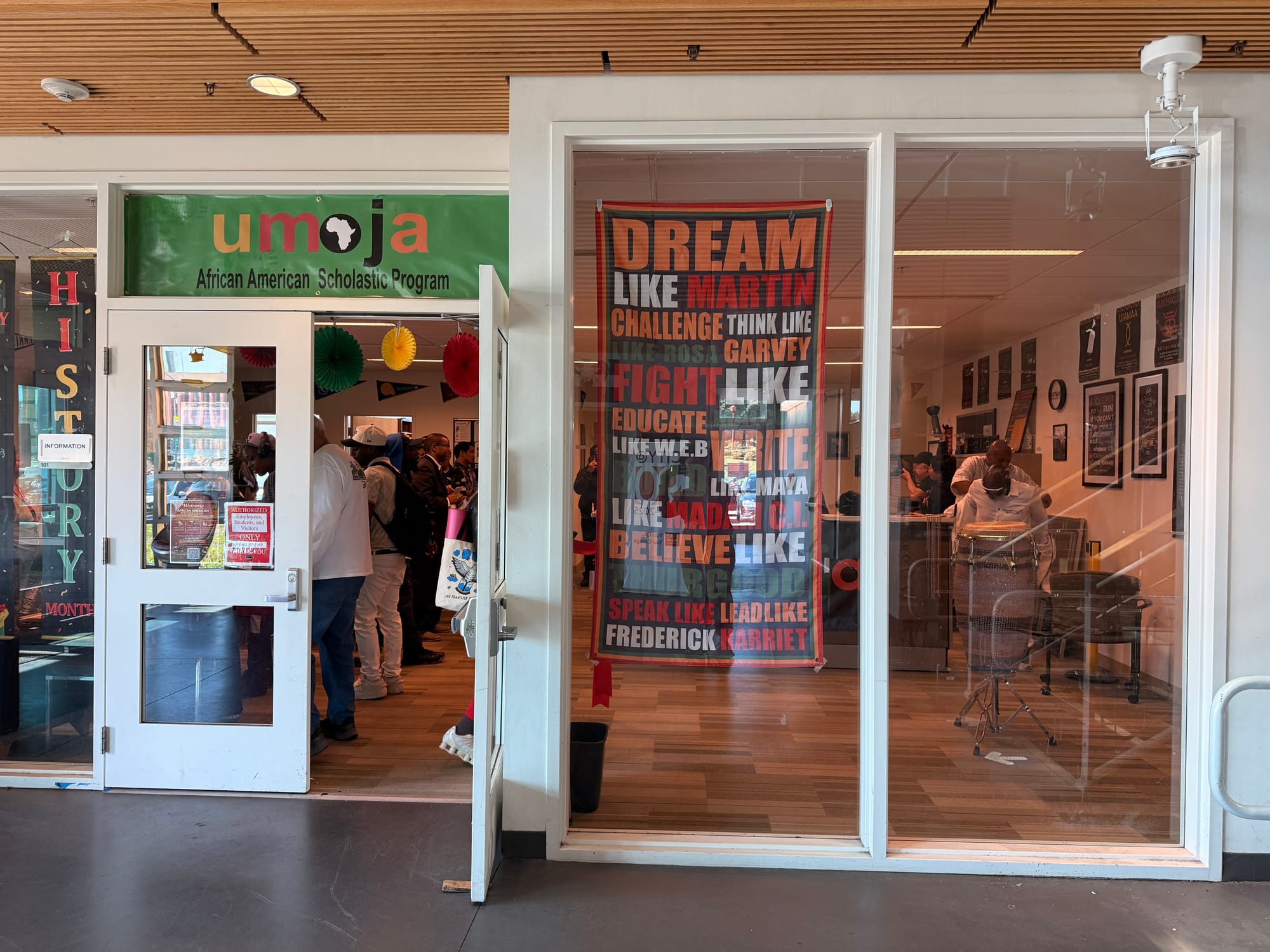
Lana Goines uses UMOJA/ASSP resources and prefers the new space. The previous location was “a lot darker” and wasn’t in a central space within the library.
The preferential debate didn’t go unnoticed.
“Moving from a familiar space, one that is rooted in deep memories, relationships, historical significance, and legacy can be really hard,” said Dr. Cooper Wilkins, hoping for deeper collaboration and greater impact with the move.
Although there were challenges, Webster stressed that the proximity to the Student Success Center, though, is a benefit of the move.
“Sometimes you have to get inconvenience with the convenience,” Webster said.
He added that UMOJA/AASP will continue building its legacy, providing students with the best resources, “and we will get more of the community and care.”
The scholastic program was created in the early 1990s to support and advocate for the academic development of African American students, becoming City College’s first retention program.
The program was located in a bungalow under the Student Union before Dr. Augustine started to negotiate some space for AASP in the newly-built Rosenberg Library. Since 2017, the partnership between AASP and the UMOJA Foundation has flourished in Room 209.
Note: Although initially designed to assist African American students, today, UMOJA/AASP assists a diverse group of people.