Raven Sanchez Is Preserving Family Memory Through Art
The City College alum encourages student artists to dream through their works.
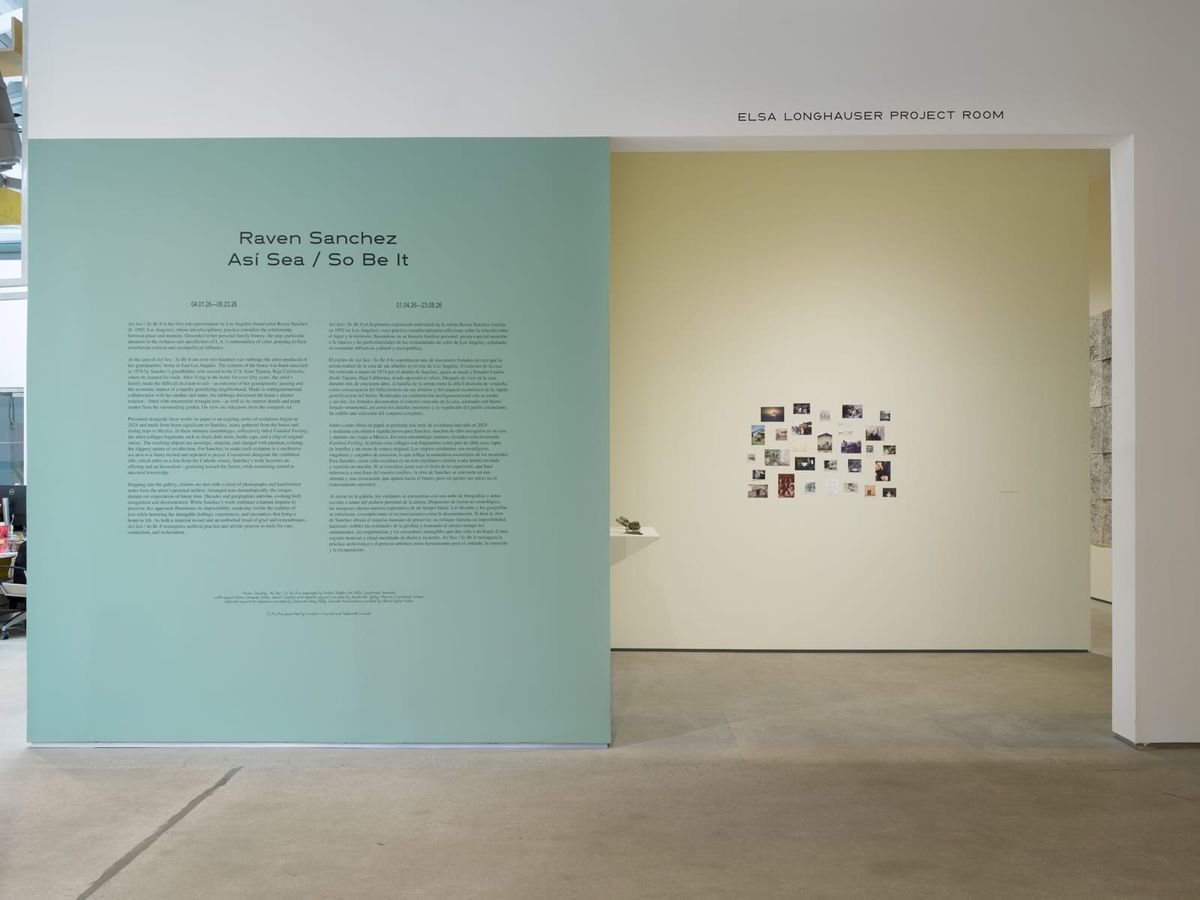
On Findlay Avenue in East Los Angeles, a family home built in 1974 became more than a place to live. For multidisciplinary artist Raven Sanchez, former painting major at City College, it was a place filled with treasured family memories spanning generations. Its stucco exterior applied by her grandfather held memories that would later shape her work.
After her grandmother’s passing and the family home’s sale, Sanchez turned her loss into an intergenerational rubbing project that would be later titled and exhibited as “Así Sea / So Be It,” her first solo exhibition, presented at the Institute of Contemporary Art, Los Angeles, from April 4 to Aug. 23.
Sanchez Transforms Memory into Archive
“It was a very proud moment, a feeling that has traveled beyond me and into generations past and future,” Sanchez said.
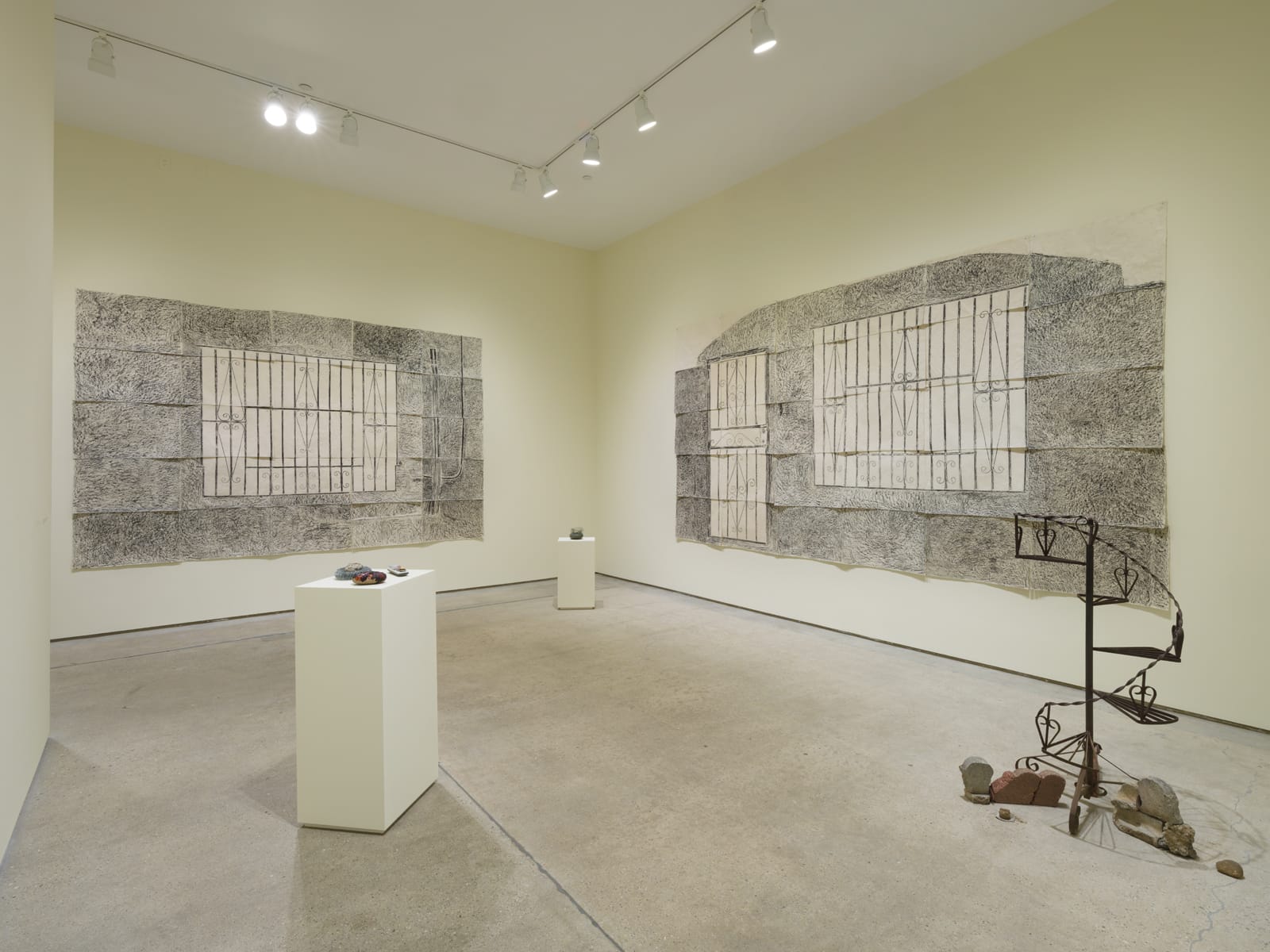
Sanchez started painting at City College but has expanded her practice into sculpture and mixed media. Her exhibition featured selections from over 200 rubbings on paper which captured the exterior stucco of her family’s home in East Los Angeles.
Working with her mother and aunts, she traced the house’s stucco exterior, turning the process into a shared process of meditation and collective memory. The rubbings became one to one records of her family’s history and the future that lay ahead.
Her ongoing sculpture series “Familial Feeling” continues this exploration through small assemblage sculptures made with materials gathered from the family home and surrounding community.
Using stones, iron, plants, dried organic matter, sand and other found objects, Sanchez explores how ordinary materials can be charged with the memory of lived experiences.
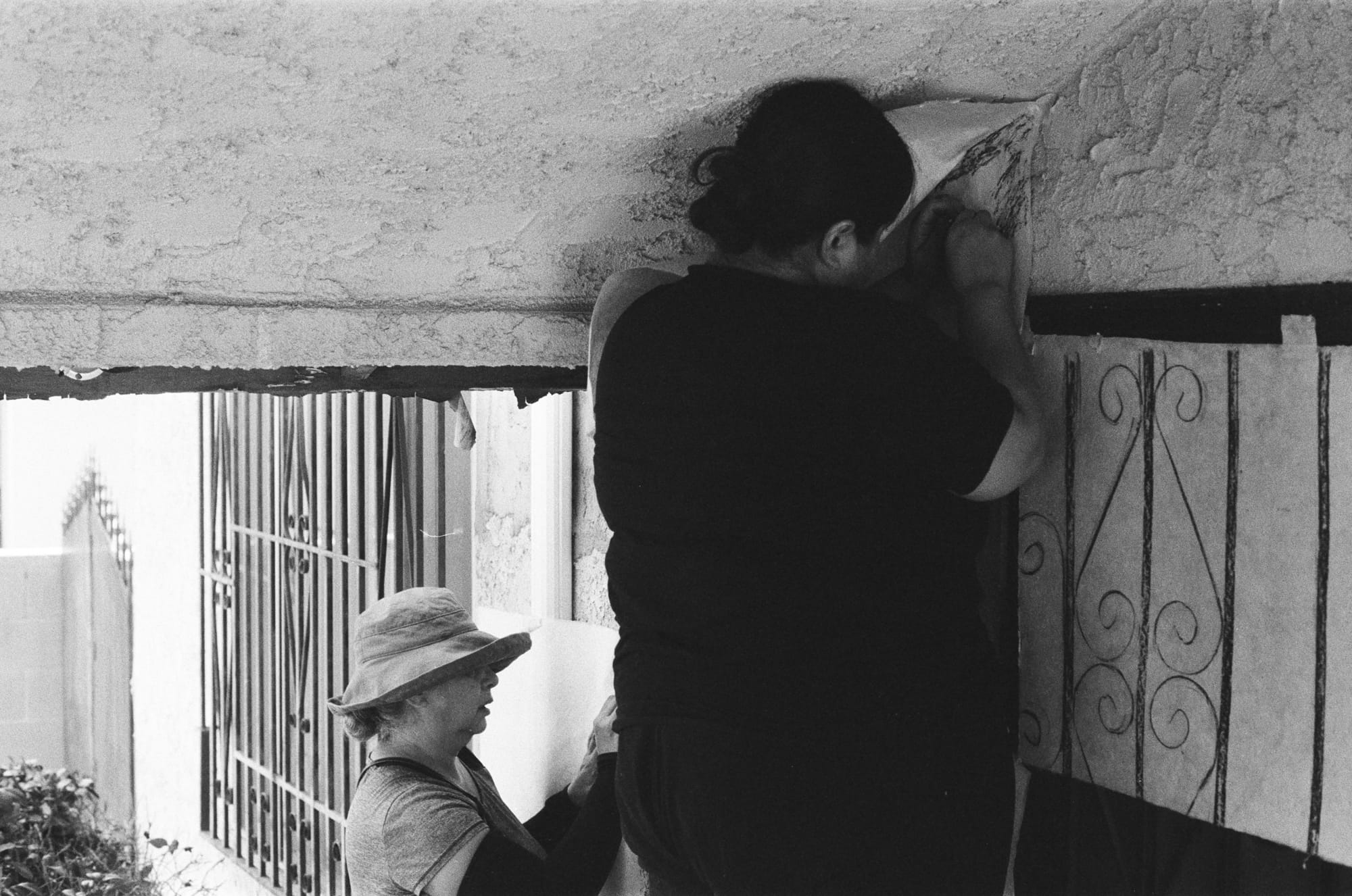
In the exhibition, black-and-white rubbings capture lines, cracks, patterns and the minute details of everyday surfaces.
Sanchez’s work expresses both absence and continuity, turning the physical marks of a house into a language of memory. By working with her mother and aunts, Sanchez reflects on the role of women in preserving family histories, transforming the process into a shared experience.
These themes also connect to her studies in sociology and Latin American studies at the University of San Francisco, where questions of culture, identity and community offer another lens to understand her work.
In an interview video, the curator Emilia Shaffer-Del Valle said she was eager to meet Sanchez after seeing the work and felt grateful. Shaffer-Del Valle did not choose the project simply because of its subject matter. She felt a strong emotional and intellectual connection to the artwork itself, which inspired her to collaborate with Sanchez to bring the exhibition to the public.
Finding the Right Materials
During her exhibition at ICA LA, Sanchez emailed Nancy Mizuno Elliott, her former painting professor at City College. She wrote, “Hi Nancy! Check it out!”
“I was thrilled, not surprised,” said Elliot. “I'm proud of her for continuing to do artwork and making it a priority for her. She was a little quiet in class, and then suddenly she had this solo exhibition and was taking up room, you know, taking up attention.”
When Elliott saw Sanchez’s exhibition online, she recognized the same ideas and interest in materials that she had seen in the classroom. She was especially glad that Sanchez had continued to develop those ideas over the years while searching for the right materials to express them.
Elliott remembered Sanchez as a thoughtful and considerate student. “She had a deep interest not just in making art, but in thinking about art,” Elliott said.
Sanchez already had ideas about her family, culture and grandfather. She also wanted to explore more creative ways to express herself through her study in sociology and Latin American studies. What she needed was to develop the artistic skills to bring those ideas to life.
Elliott recalled a class assignment in which students created portraits or self-portraits. Sanchez used different shades of brown and thick, curving lines to make abstract paintings. Her work explored body shapes and skin colors in her own style.
Finding the right medium took time. She even experimented with drawing on stucco before exploring other materials, including charcoal and photographs. These experiments gradually improved her sensitivity to materials and led her toward mixed media.
“She is very good at picking different materials, and she is very open to using materials symbolically,” Elliott said.
For Sanchez, materials are not simply objects to work with. Their textures, histories and meanings help her express ideas that painting alone could not fully capture.
Artists and Education
Elliott shared a quote by British novelist Grant Allen, “I have never let my schooling interfere with my education,” to further explain the reasons behind Sanchez's achievements.
She believes City College can offer art students a strong support system, but finding support after graduation is also important. Sanchez’s continued artistic growth is one example of what can happen when students carry what they learn into their lives beyond college.
Sanchez’s time at City College was a pivotal period of growth, when she balanced nonprofit work and community work with a deep commitment to art.
She eagerly traveled to evening classes, immersing herself in an environment filled with passionate artists and new ideas. Elliott supported her development, offering the care and guidance that helped her embrace her identity as an artist.
Sanchez advises current City College art students to not limit their ideas, and to allow themselves to dream through their work, and although logistics can cloud how they move and what they make, everything can be figured out in time. “Make the truest work you can make, check in with yourself and ask yourself, ‘Am I being true through this work?’ The conclusions that come from that, can help you get closer to your work,” Sanchez said.