Students Win Statewide Support for Access to Online Classes
City College students pushed policies on digital learning access and campus employment standards at the California Community College Assembly
City College students may soon have access to their courses on Canvas long after the semester has closed.
At the California Community College assembly, City College representatives advanced a proposal to improve access to online course materials and continued to advocate for expanded work hours for student employees during a statewide student government gathering in Millbrae last month.
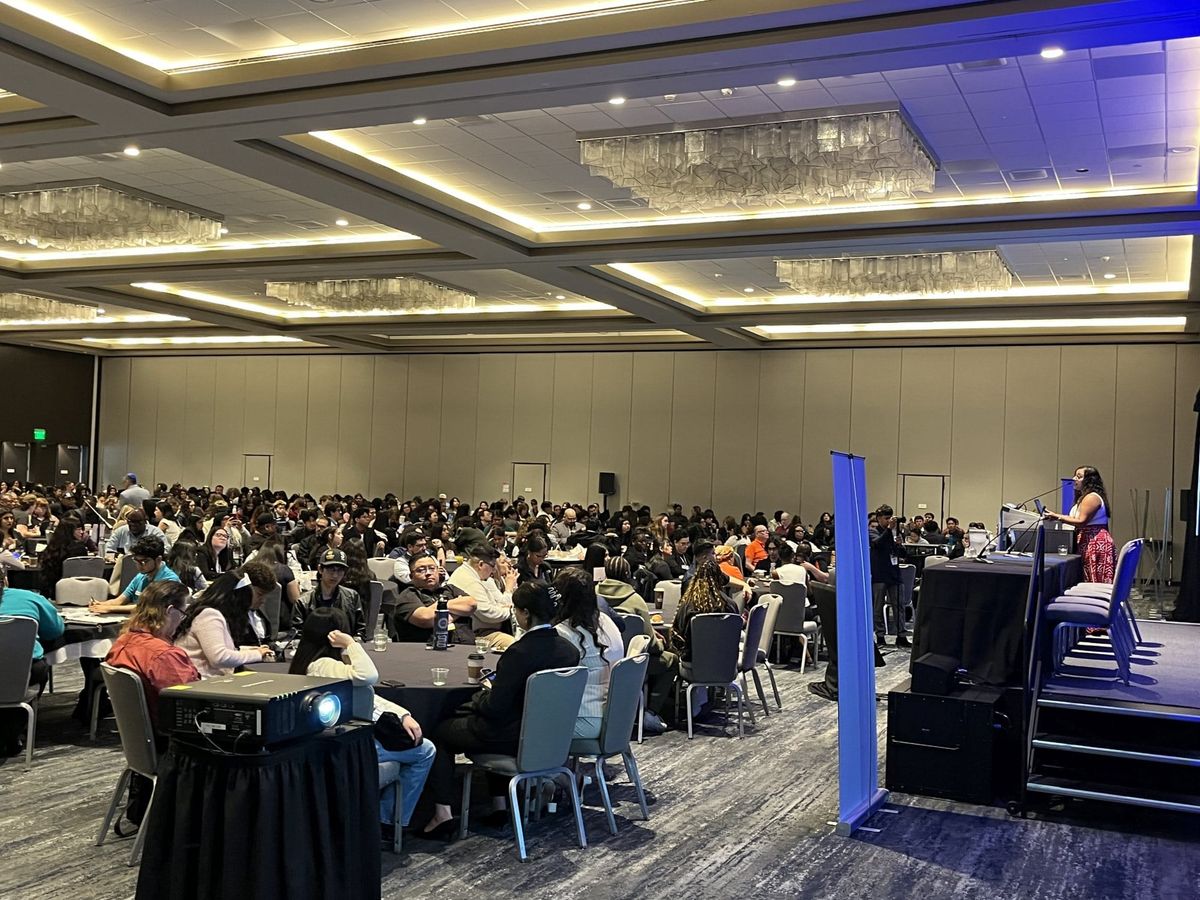
Hundreds of student delegates representing California’s 2.2 million community college students gathered at the Hyatt Regency San Francisco Airport from March 27-29 for the annual general assembly of the Student Senate for California Community Colleges, or SSCCC. Delegates debated resolutions, elected officers and networked with peers from campuses across the state.
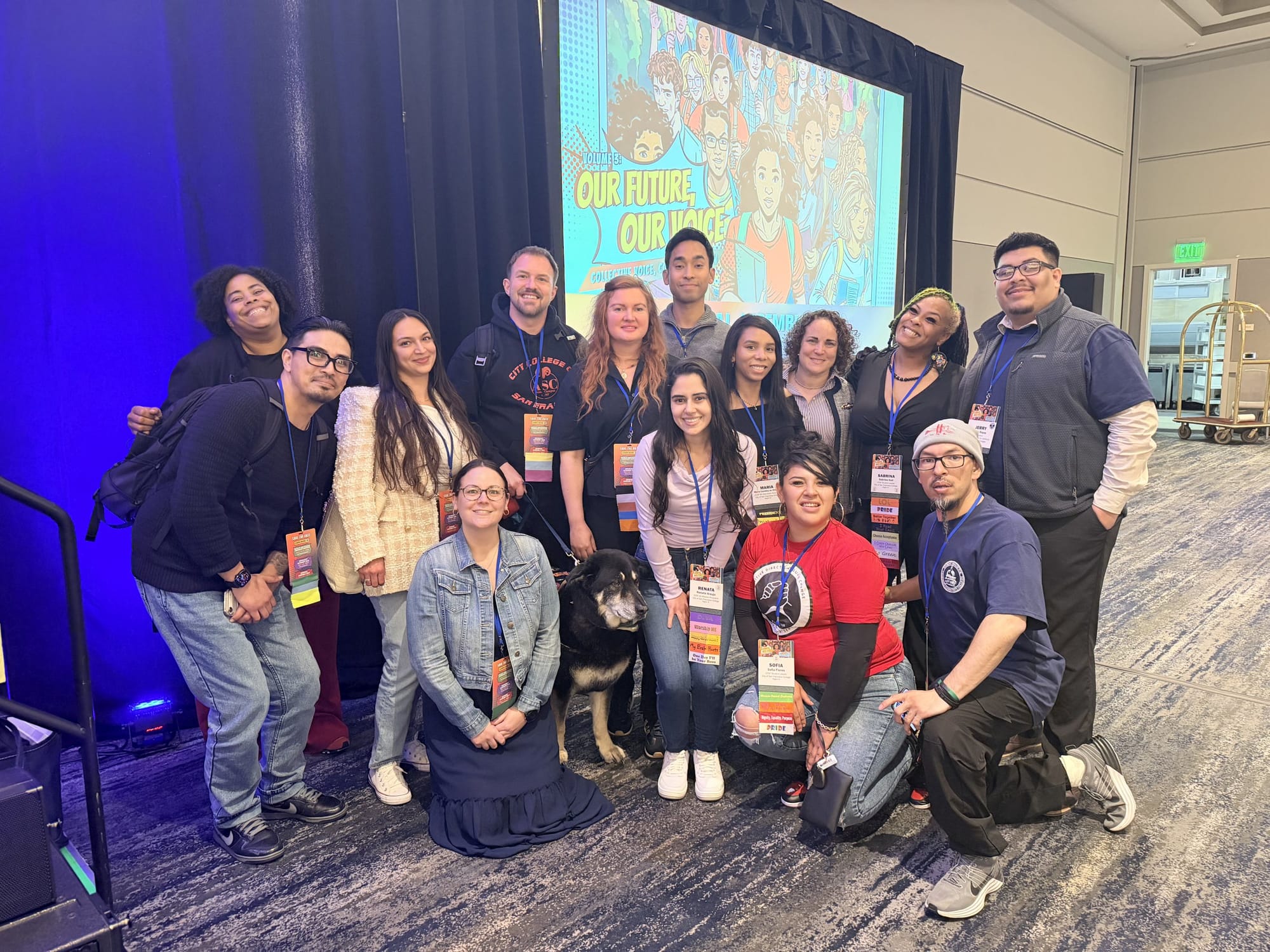
Student Chancellor Heather Brandt led a delegation of 20 students from City College who attended as voting representatives.
One City College proposal, authored by Mission Center Associated Student Council President Renata Araujo and Associated Student Council Senator Lydia Hernandez, passed unanimously. The resolution calls for students to retain access to completed online course materials after a class ends.
Araujo said students often lose access to coursework stored on Canvas after a semester concludes, creating challenges for those preparing for professional licensing exams months later.
“For example, nursing students may need to review materials long after they complete a class,” Araujo said. “Losing access makes it harder to prepare for those exams.”
A second proposal from City College sought to establish a statewide minimum of 20 hours of work per week for student employees. The measure did not pass.
The proposal addressed a longstanding concern at City College, where student workers are capped at 15 hours per week.
“I’m going to keep fighting for it,” said Student Trustee Angelica Campos. “It's an issue here at [City College that we're] struggling with.”
Campos said resolutions that pass through the SSCCC can influence statewide advocacy, legislation and policy discussions. Student governments first approve resolutions locally before sending them to the statewide body. Once adopted, resolutions are reviewed by SSCCC leadership and directed to the appropriate committee, officer or legislative arm.
“They kind of look at all the different resolutions, what they're asking, and figure out where and who it fits best with,” said Campos. “It might be just that it's the president, or it's specifically our DEI committee, or if it's a policy change that needs to happen from an Assembly bill or Senate bill, and then the Legislative Affairs arm of SSCCC will work on it.”
Students have legal standing to address the “9 + 1” 10 governance areas, ranging from grading policies to institutional planning.
“Whatever they pay into, they should also reap the benefits from,” said Campos, referring to the two dollars per semester Student Representative Fee that all students pay and funds the SSCCC. “This was one of the ways of putting those students at large in the mix. We had Rising Scholars and members of the Positive Directions club.”
Jacquie Martin, executive council director of Student Life & Leadership, said student participation at the statewide level can have a big impact on the college.
“They’re not voting on behalf of themselves, they're voting on behalf of the student body,” said Martin.
Campos and Brandt also co-authored a 2023 SSCCC resolution seeking medication abortion access at community college student health centers. University of California and California State University students gained that access in 2019, but community college students were not included.
The SSCCC resolution helped inspire Assembly Bill 2540, introduced by Assemblymember Catherine Stefani, which would extend similar access to community college students. The bill is currently in committee in Sacramento.
City College also gained regional representation at this year’s assembly. Sabrina Hall was elected communications officer for Region III, one of 10 SSCCC regions. Region III includes 14 colleges, ranging from Las Positas College in Livermore to College of Marin.
In earlier years, Brandt helped pass two state laws, one that improved conditions for student parents and the other that maintained the right to remote access to public meetings post-pandemic.