Women Have the Right to Be Safe on College Campuses
Battling against sexual violence on campus also means fighting for women’s right to education.
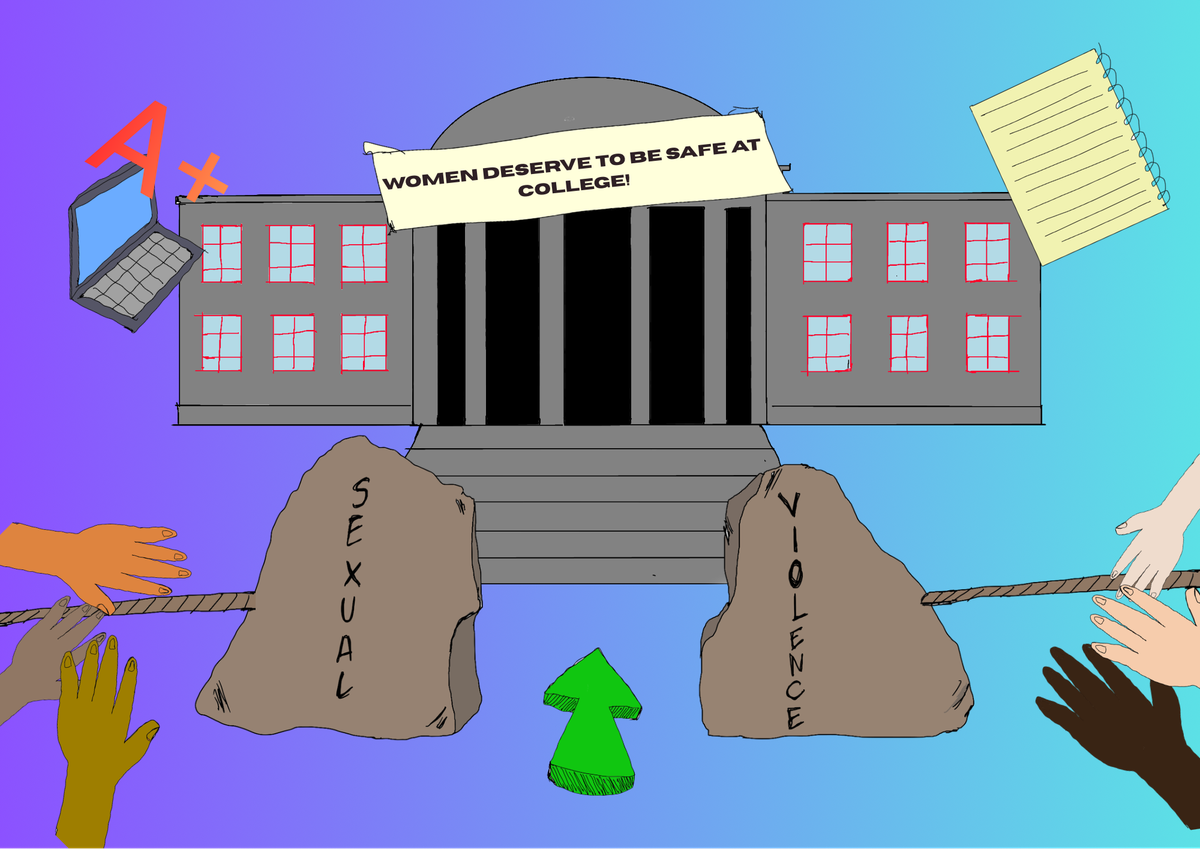
I have always believed that education could be one of the greatest tools towards a woman's independence journey in life, and that no one can take away from us the knowledge and abilities that are gained from higher education.
Unfortunately, a classroom or a university campus is not always the safest place for women. Sometimes these are places where our bodies are seen as prey.
Cases like the Cornell 7 compel us to re-examine women's safety in higher education. More than securing our right to access education, those institutions should also protect our right to remain and continue our studies.
According to a national survey, 1 in 5 women experiences rape or sexual assault involving "physical force or inability to consent” when attending college for 4 years or more, and 1 in 10 women experience that in graduate and professional programs. Sixteen percent of women are also reported among the survivors who experience nonconsensual sexual contact in their first 6 months at college.
The data also shows that women at schools in football programs report 28% more of rape victimizations on game days — partying, social contact, alchool and perceived opportunity can be linked to the increase of reports.
Three in five sexual violence perpetrators are not strangers, and 69% of them were described as an acquaintance or friend.
Other forms of violence that women can suffer on campus are domestic violence, dating violence and stalking.
Women should not be afraid to go to college.True accessibility in higher education requires more than just opening admissions to women. Institutions must also provide the necessary conditions for women to remain safe and flourish in our studies. The historic fight for women's right to higher education is not complete if we can't be safe.
I believe that the fight against sexual violence against women must be fought by the whole campus community, not only the administration and law enforcement, but also the students. We can all build a safe environment for women and others, with tools and awareness.
At City College, victims of sexual violence can report to the Police Department, the Title XI office and the Health Center at anytime, including during nonbusiness hours. Project Survive partners with City College students to bring awareness and prevention against sexual violence, offering tools to anyone who wants more information on how to protect themselves and others against this type of crime.
Considering women's voices and reports is crucial. In the days following the Cornell 7 report, many former and current Cornell women students came forward through social media platforms with allegations of sexual violence. Many of them also alleged being neglected by the institution.
The support that should be given sexual violence survivors is also extremely important. Many survivors face physical and mental health effects that can shape their whole college experience — with many leaving their programs and institutions. Sexual violence is also connected to lower grades, higher academic stress and lower connection to the school for the survivor.
Having access to higher education is a fundamental right that has to be guaranteed to any woman, and we can accomplish this by keeping our campuses safe.