City College Recovery Programs Face Funding Cut
Three certificate programs that train recovery workers—many of them in recovery themselves—will lose funding in 2027
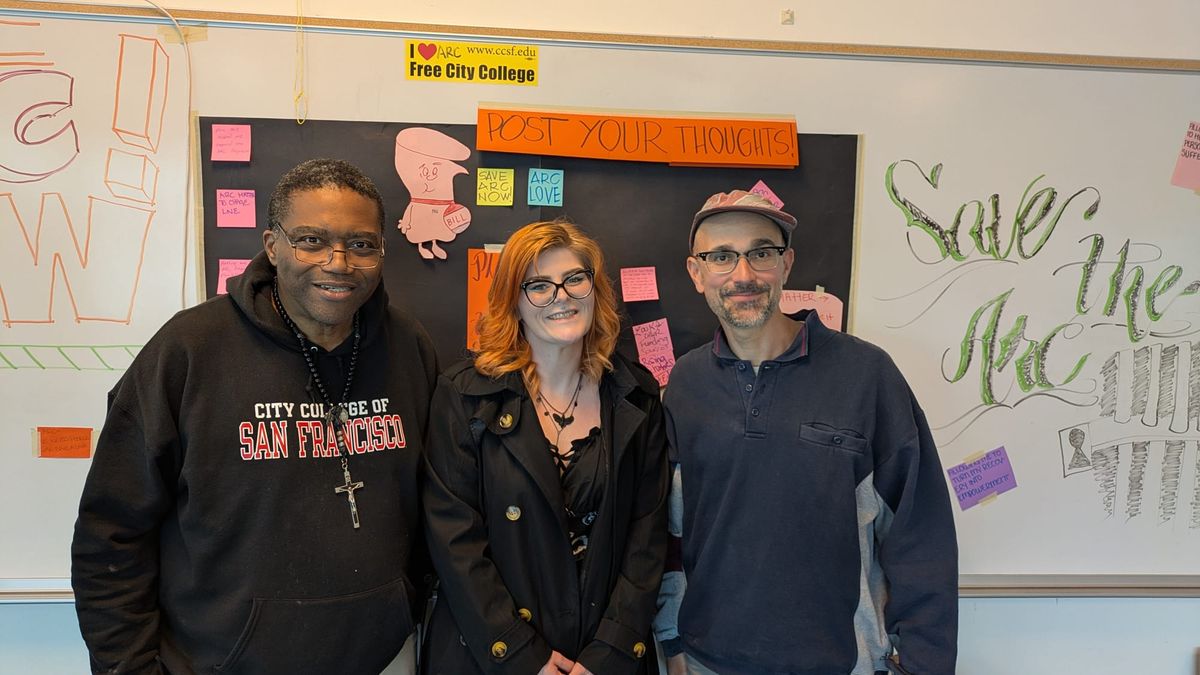
The San Francisco Department of Public Health plans to strip nearly $300,000 in funding from three career training programs at City College in 2027. The programs, which train students to work in addiction and recovery, would be reduced to one cohort per year.
The three programs include Addiction and Recovery Counseling (ARC), the Community Mental Health Certificate (CMHC) and Medi-Cal Peer Support Specialist training.
Students and faculty say the cuts will set back the Bay Area’s recovery community.
“If you’ve seen the Bay Area, we’re kind of on the upswing in regards to rehabilitation from addiction,” said Wilson Ferro, a student in the ARC program.
After being paroled from his prison sentence, Ferro started working at HealthRIGHT 360, assisting with patient intake. There, his supervisor suggested he become a substance use disorder counselor.
The program teaches students like Ferro how to incorporate new methods to meet the needs of the community. “There are a lot of people that have been through various trauma (whether it be) systemic, family or cultural. They don’t have the ability to get there, but once they do make it and get fully certified, they pay it forward,” he said. “All the great counselors, all the great therapists we have now came through here.”
Olina Pau came to EMT work through the ARC instructional trainings. She described watching patients with untreated, open wounds enter clinics and being met with judgment from staff.
“Addiction becomes physiological. For them to imagine going without their substance of choice really impedes the desire to want to go,” Pau said. “Alternatively, they function and continue going and continue self-medicating.”
She called the program “a huge re-route” for its students and “a pivotal point in rebirth for a lot of people.”
Lorenzo Castaneda, another student in the ARC program with a history of incarceration, will soon attain his associate’s degree in sociology with a 3.9 GPA. “This program has given us the opportunity to get out of the ghettos and the barrios. We’re able to succeed while helping our people at the same time,” he said.
Castaneda was also critical of the funding decision. “It’s messed up on an inhumane level. They’re cutting all this funding, yet they still manage to pay the directors $300,000 to $400,000 a year. The inequity of the marginalized community is stretched even further.”
Eric Lewis is the program manager for the ARC program and is referred to as “the man behind the curtain.” When students meet him, they can tell he’s walked a similar path.
“A lot of my students have fought through a broken-home life, homelessness and addiction. They’ve been consumers of all of these services; they know how it works. And now they want to give back and help people.”
If the cuts go through, Lewis would no longer be at City College, as his title is funded by the SFDPH.
“It’s devastating,” he said. “People want to do this work. They’re in treatment, they’re in a step-up program and they want to do this work. It’s hope for them.”